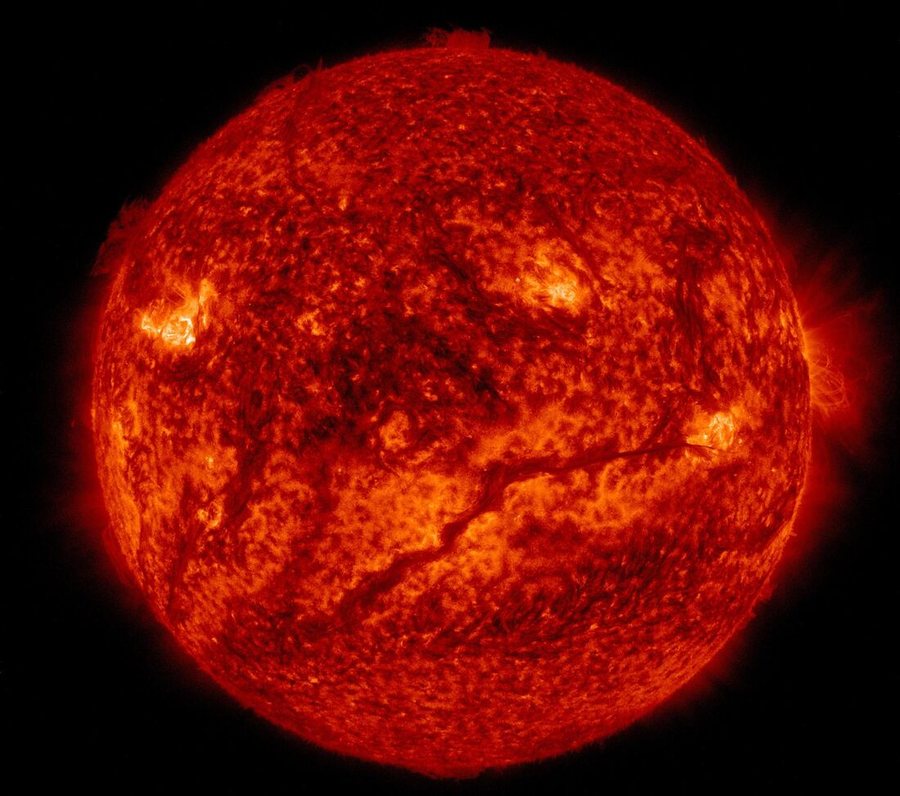
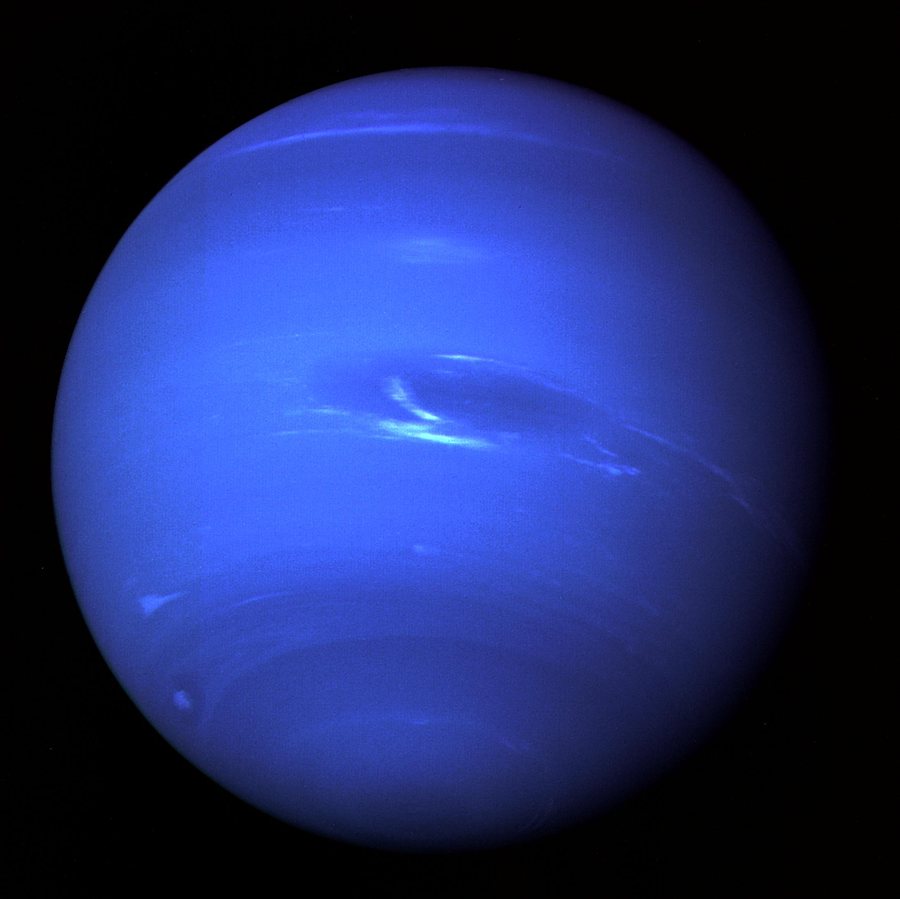
The Sun, its worlds and everything beyond
Real photographs and real measurements, from the Sun out to the oldest light there is. Fly through it in 3D, learn how it works in short lessons, or step outside and find what is above you tonight.
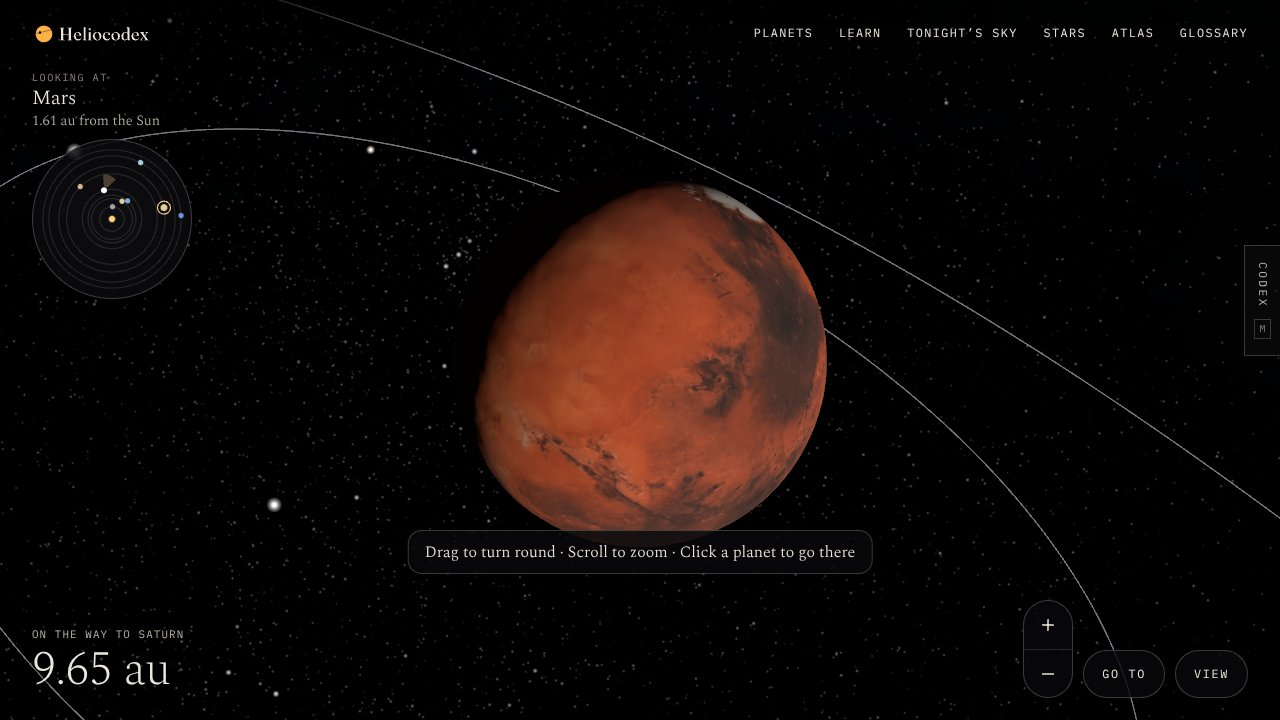
Explore in 3D
Every planet and its main moons in their real places, worked out from NASA’s orbital data. Click a world to glide to it, zoom out past the stars to the Milky Way and the cosmic web, or switch on easier to see to make the planets large enough to spot. Works on a phone.
The same worlds at their real distances from the Sun. Each mark is twice as far out as the one before; on an even scale, the four rocky planets would be squeezed into the first twentieth.
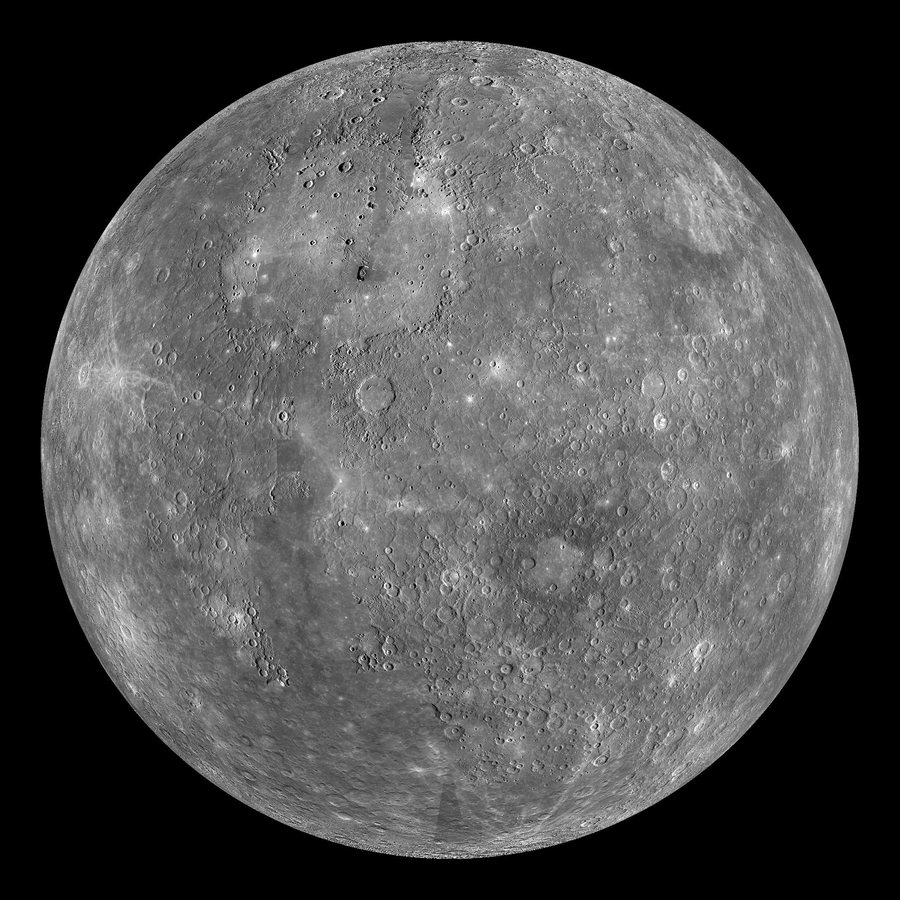
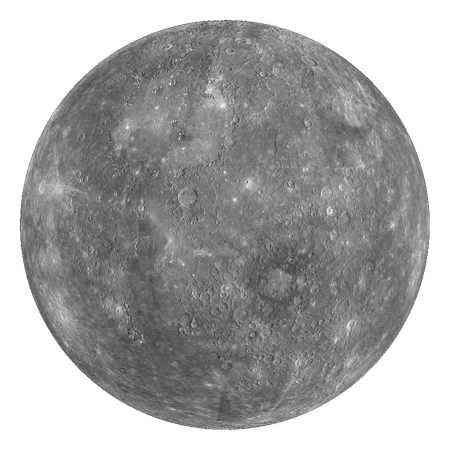 0.39 au3 light minutesSmall, fast and cooked on one side.
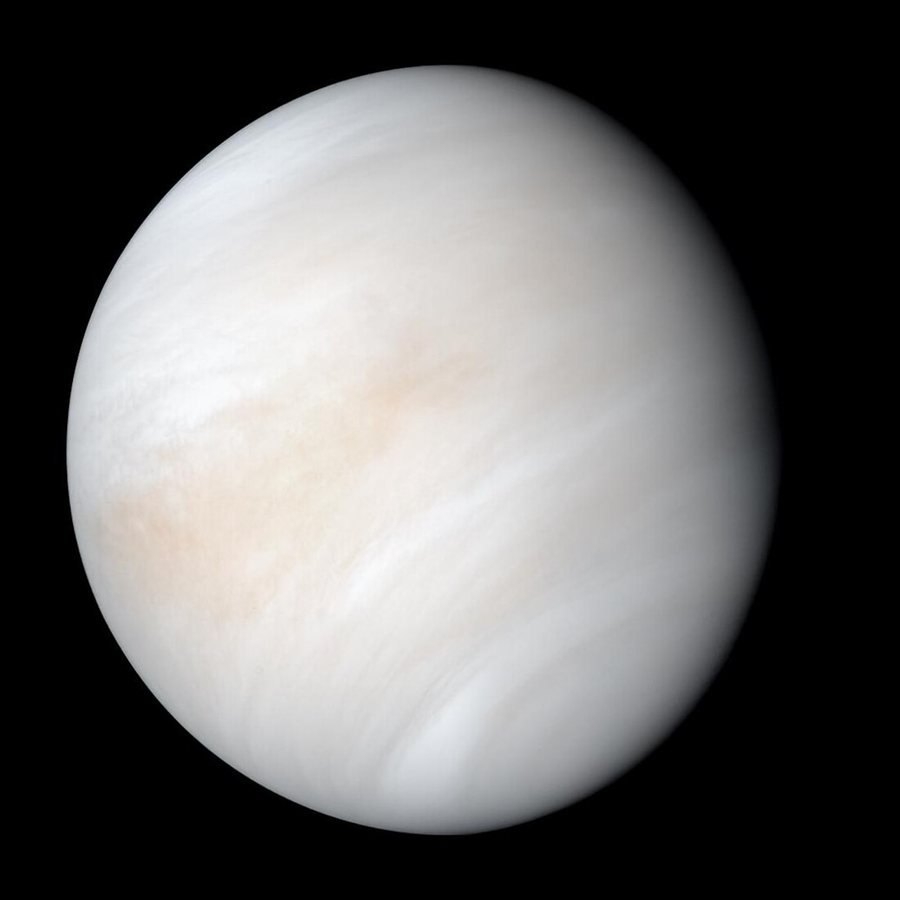
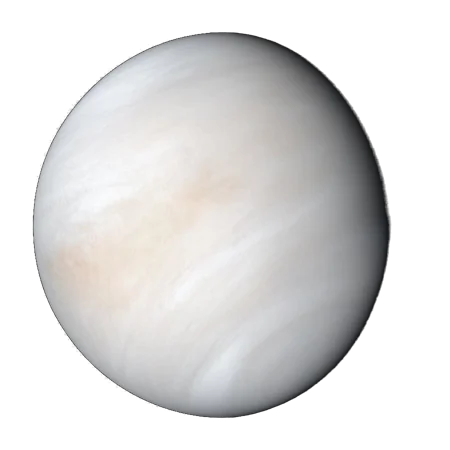 0.72 au6 light minutesEarth's twin in size, and a furnace in every other way.
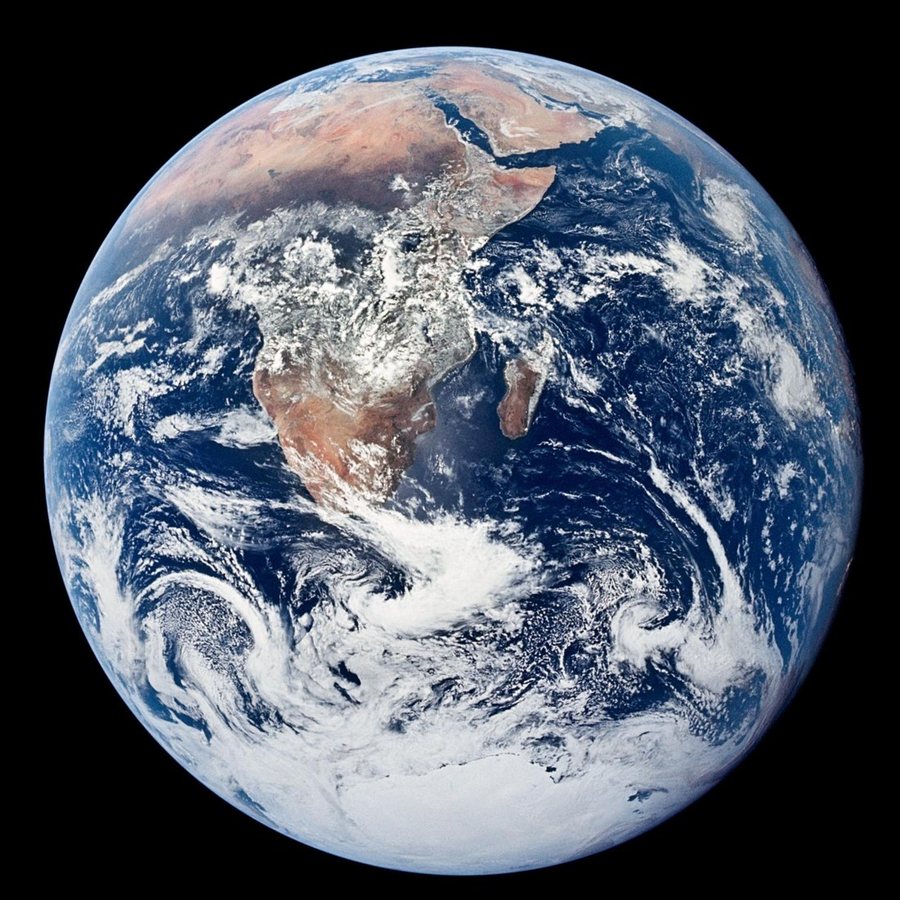
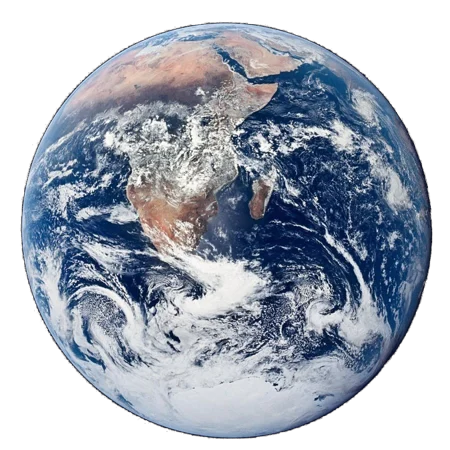 1.00 au8 light minutesThe only place we know of with life.
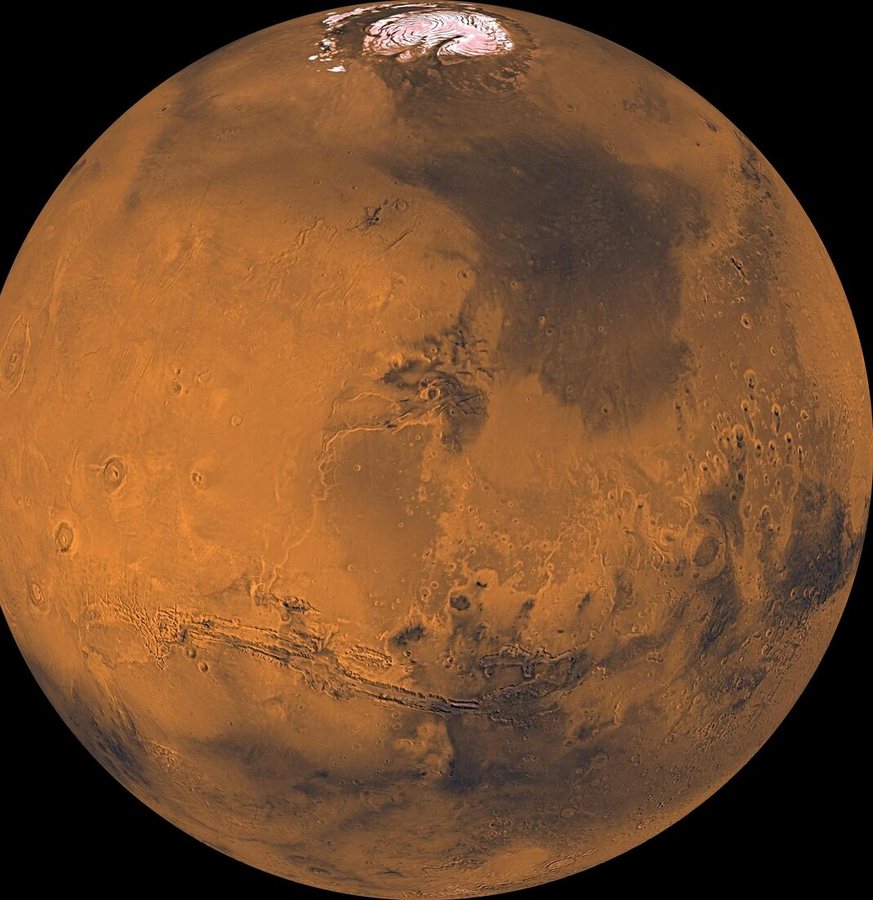
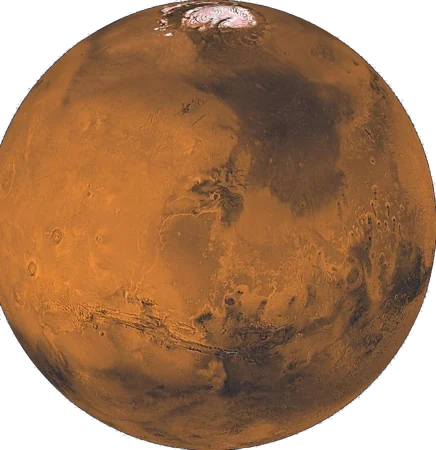 1.52 au13 light minutesA cold desert that used to have water.
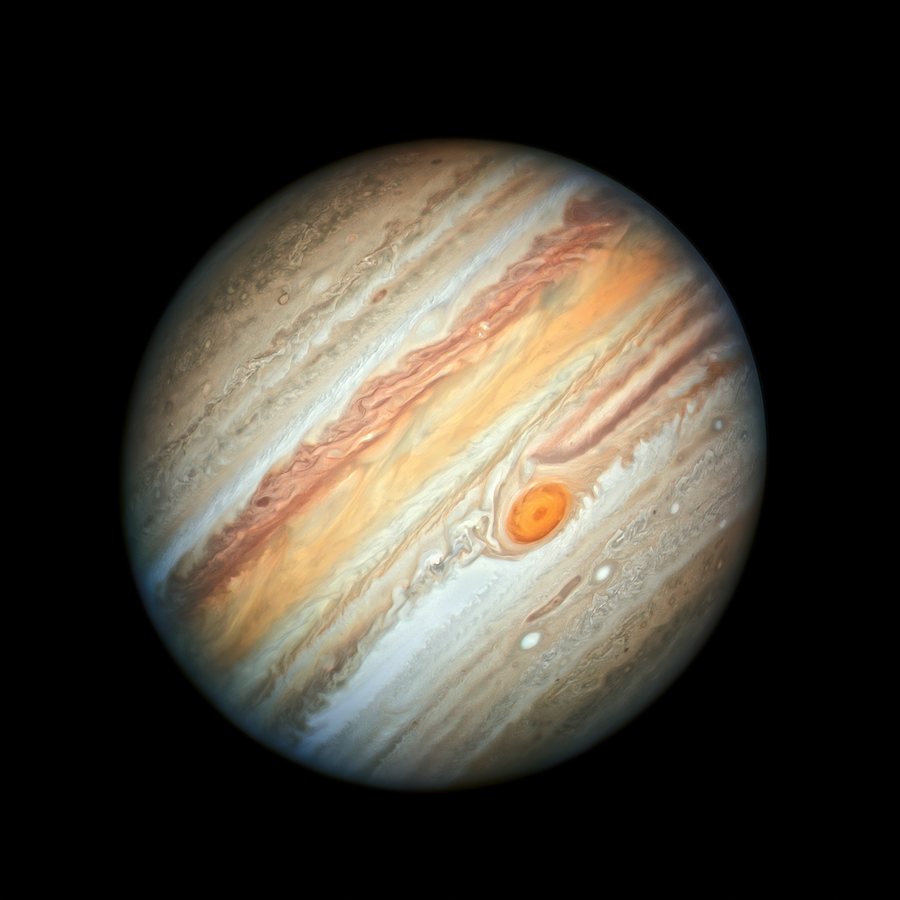
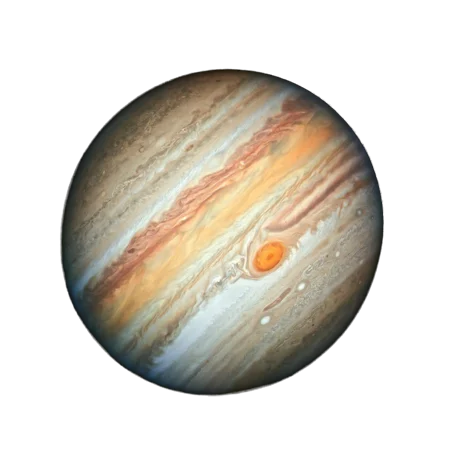 5.2 au43 light minutesMore massive than all the other planets put together.
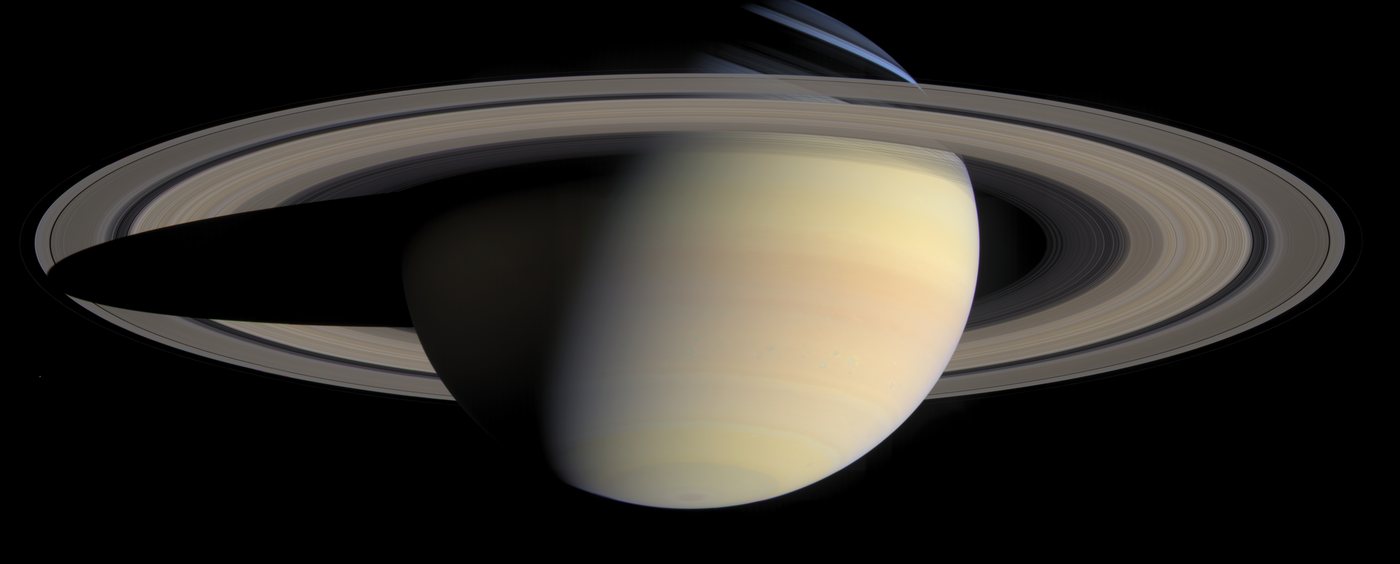
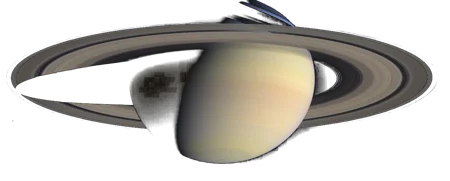 9.5 au1 h 19 min of lightThe ringed planet, light enough to float on water.
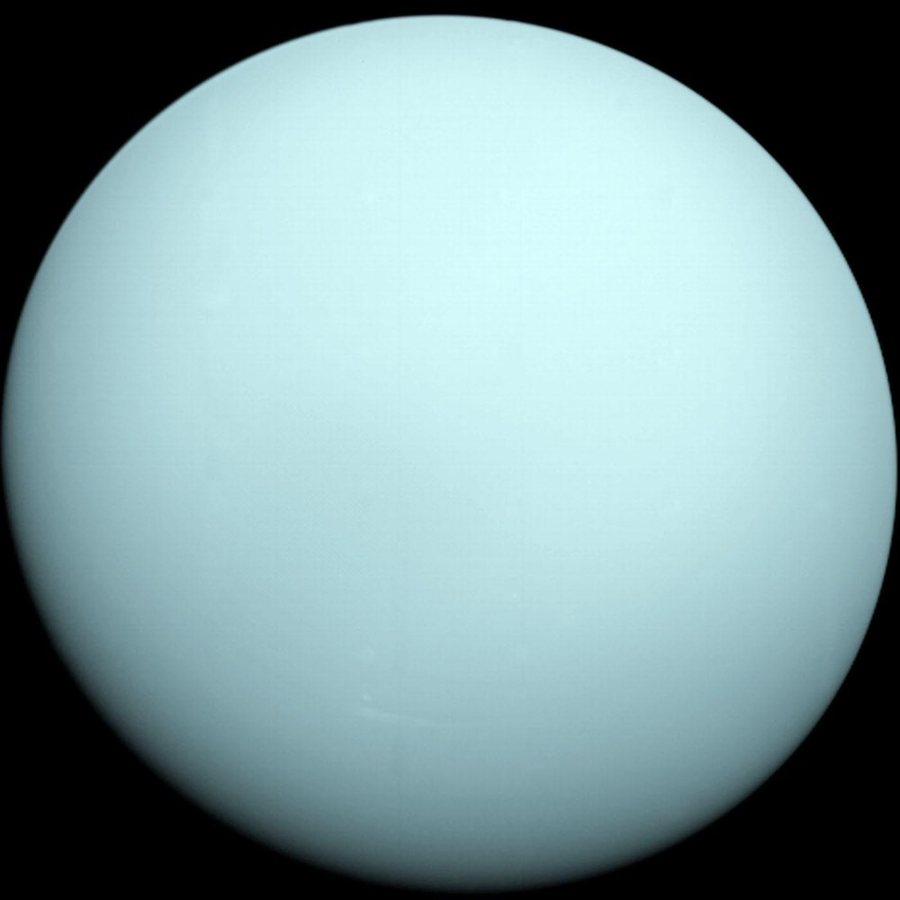
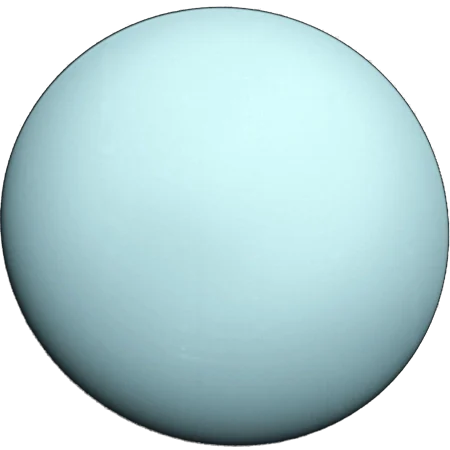 19.2 au2 h 40 min of lightThe planet that rolls on its side.
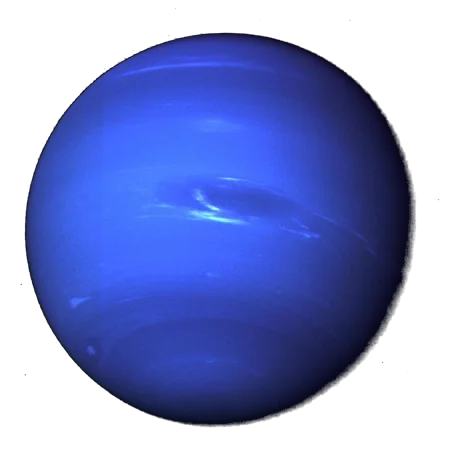 30.1 au4 h 10 min of lightThe farthest planet, found by maths before sight.
Beyond the eight planets: 62 moons, dwarf planets, asteroids and comets are set out on the map of worlds. Their pages are outlines for now, and are being written.
Learn
101 short lessons, each written at more than one depth, set out by how long their light takes to reach you. Begin with ten first looks that cover the whole subject, or go straight to the part you want. 31 more are outlined and being written.
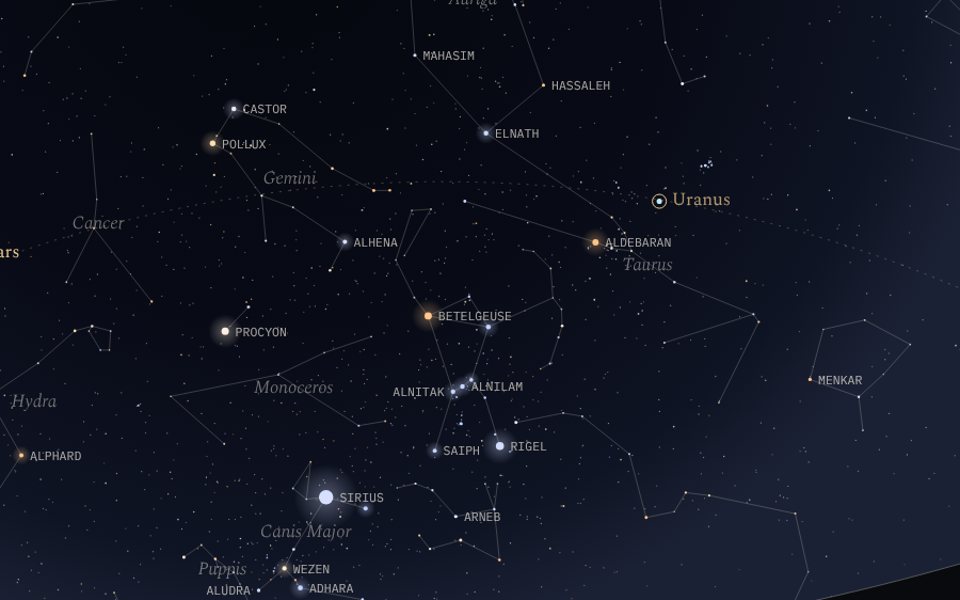
Look up
A live map of your own sky, for wherever you are and whenever you look, with every planet and bright star named.