
Learn / Ideas that run through all of it
Gravity and orbits
One of the ideas that runs through every place the lessons go. 10 lessons, in the order to read them.
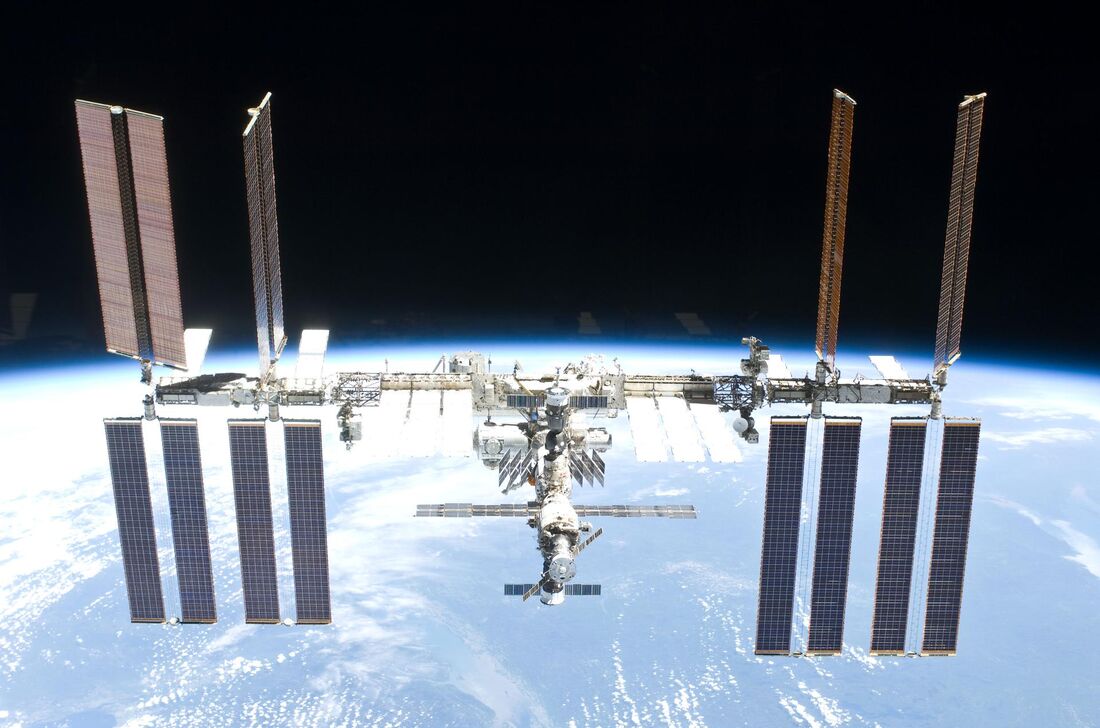 Start hereWhat an orbit isAn orbit is a fall that never reaches the ground. Newton's cannonball shows how.First look · How it works
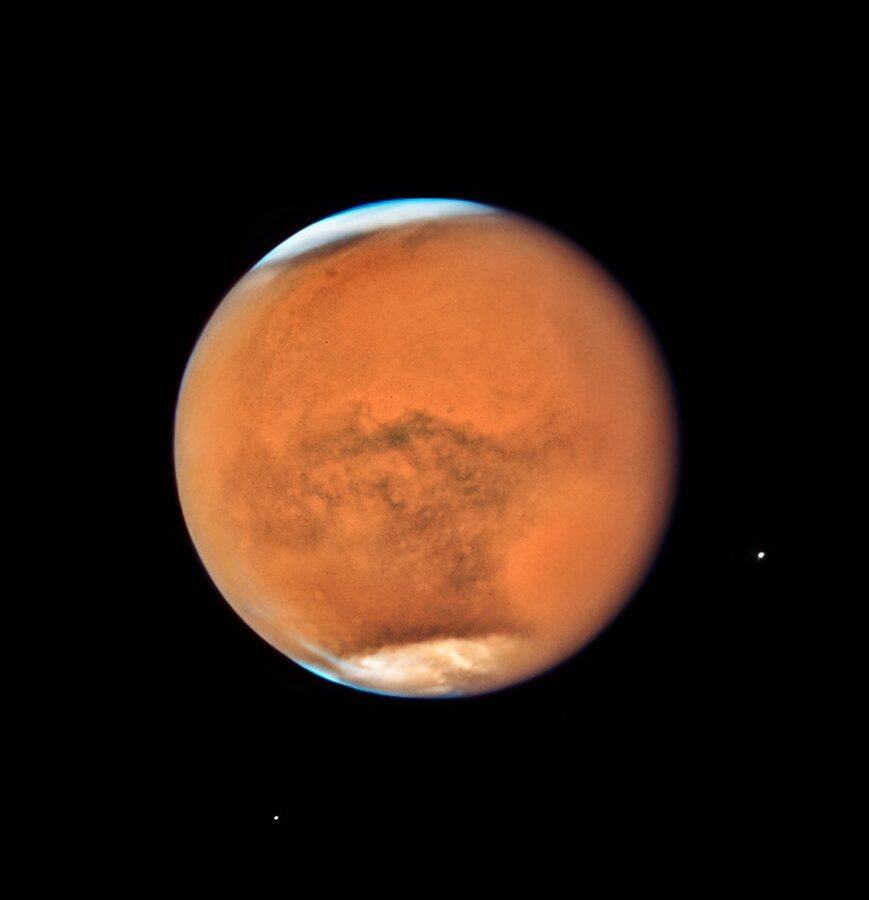 Kepler's three lawsThree short rules that describe every orbit, found from years of watching Mars.First look · How it works · The physics
 What gravity isEverything pulls on everything else. The pull grows with mass and fades with distance, and it never quite reaches zero.First look · How it works · The physics
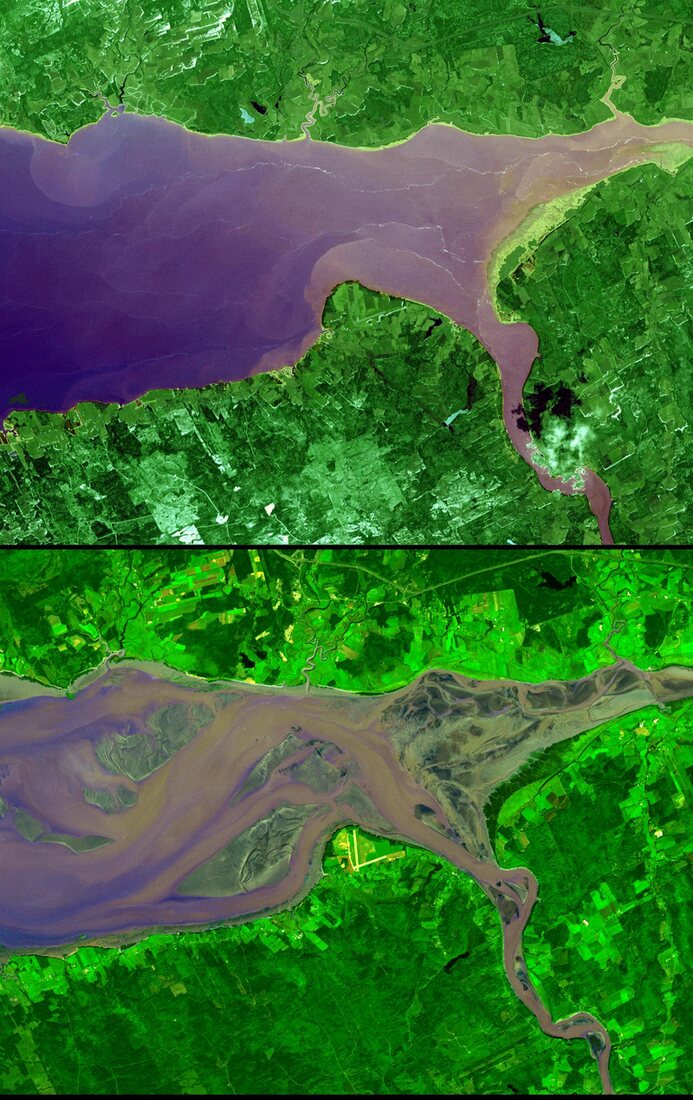 TidesWhy there are two high tides a day, why the Moon keeps one face to us, and what keeps Io erupting.First look · How it works
- Leaving and arriving: how spacecraft get aboutGetting into space is about speed, not height. After that a spacecraft mostly coasts, and borrows speed from planets on the way.First look · How it works
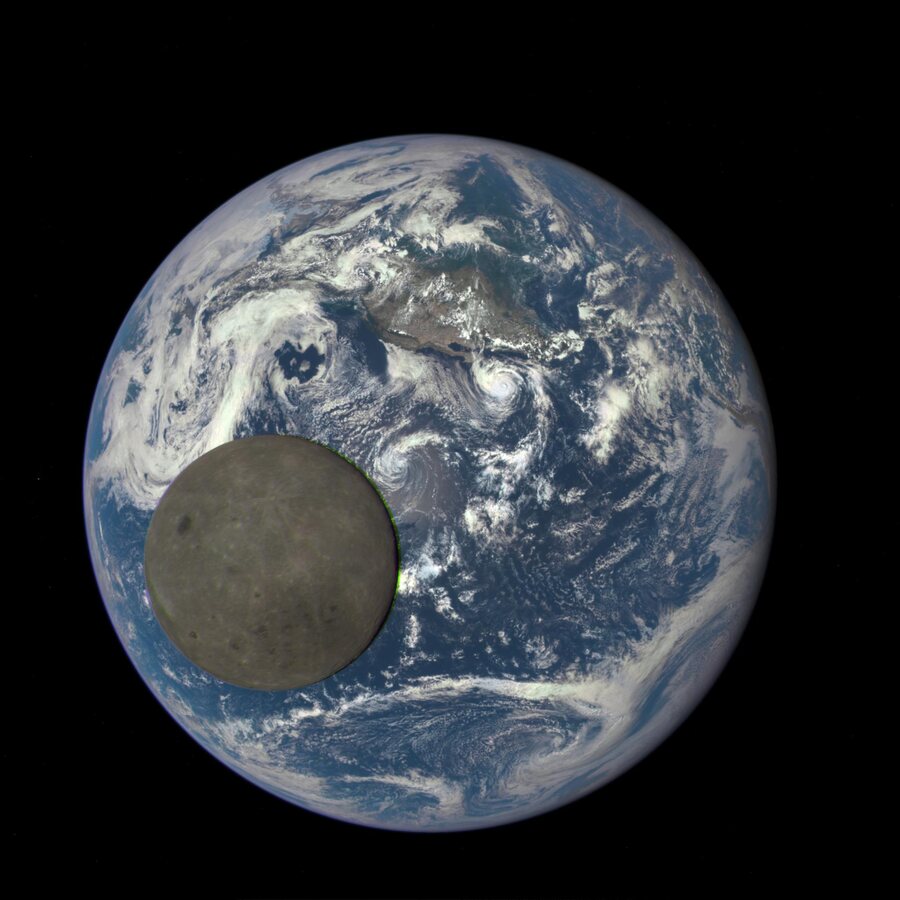 Balance points: where gravity holds things stillNear any two orbiting bodies there are five places where a small object can keep station. Telescopes are parked at two of them, and asteroids gather at two more.First look · How it works
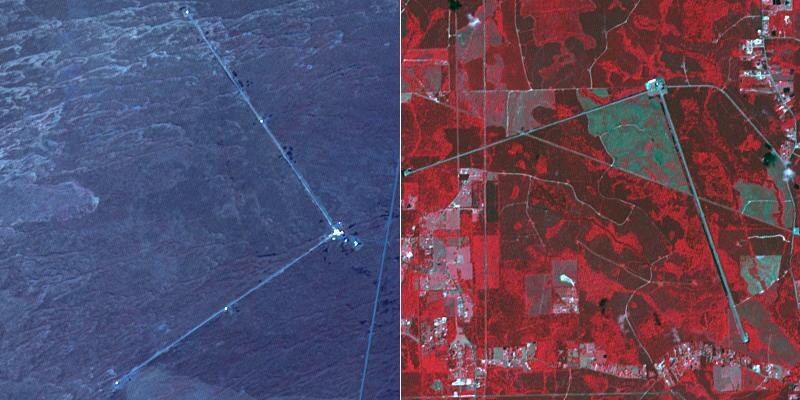 Gravitational wavesWhen very heavy things swing round each other, space itself ripples. Since 2015 those ripples can be caught, a way of studying the universe that uses no light.First look · How it works
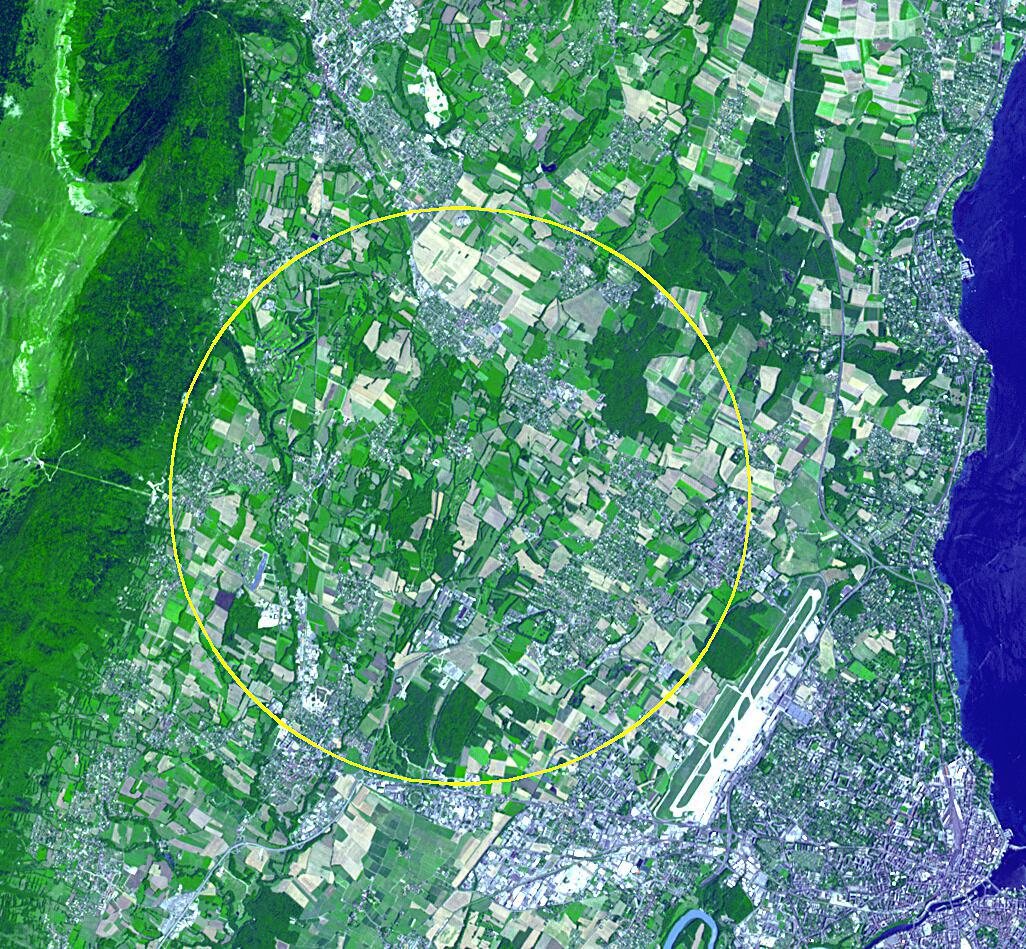 Space and time are not fixedLight always travels at the same speed, whoever measures it. To make that true, moving clocks have to run slow, and nothing can go faster than light.First look · How it works
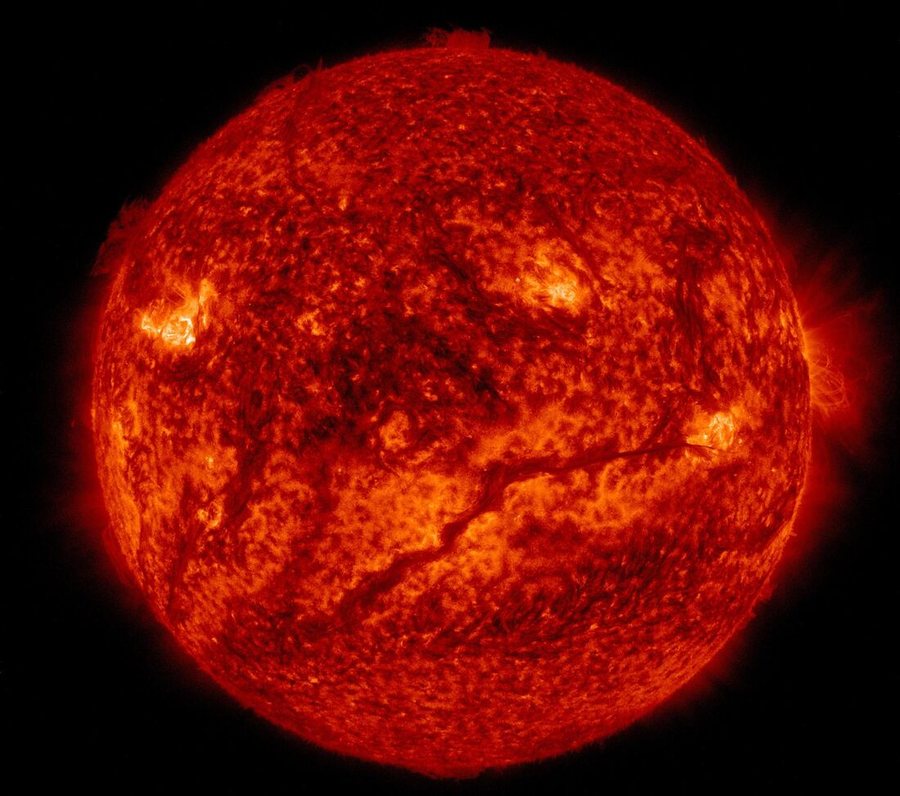 Gravity as bent space and timeEinstein's second idea: mass bends space and time, and what we call gravity is things following that bend. It has passed every test for more than a century.First look · How it works
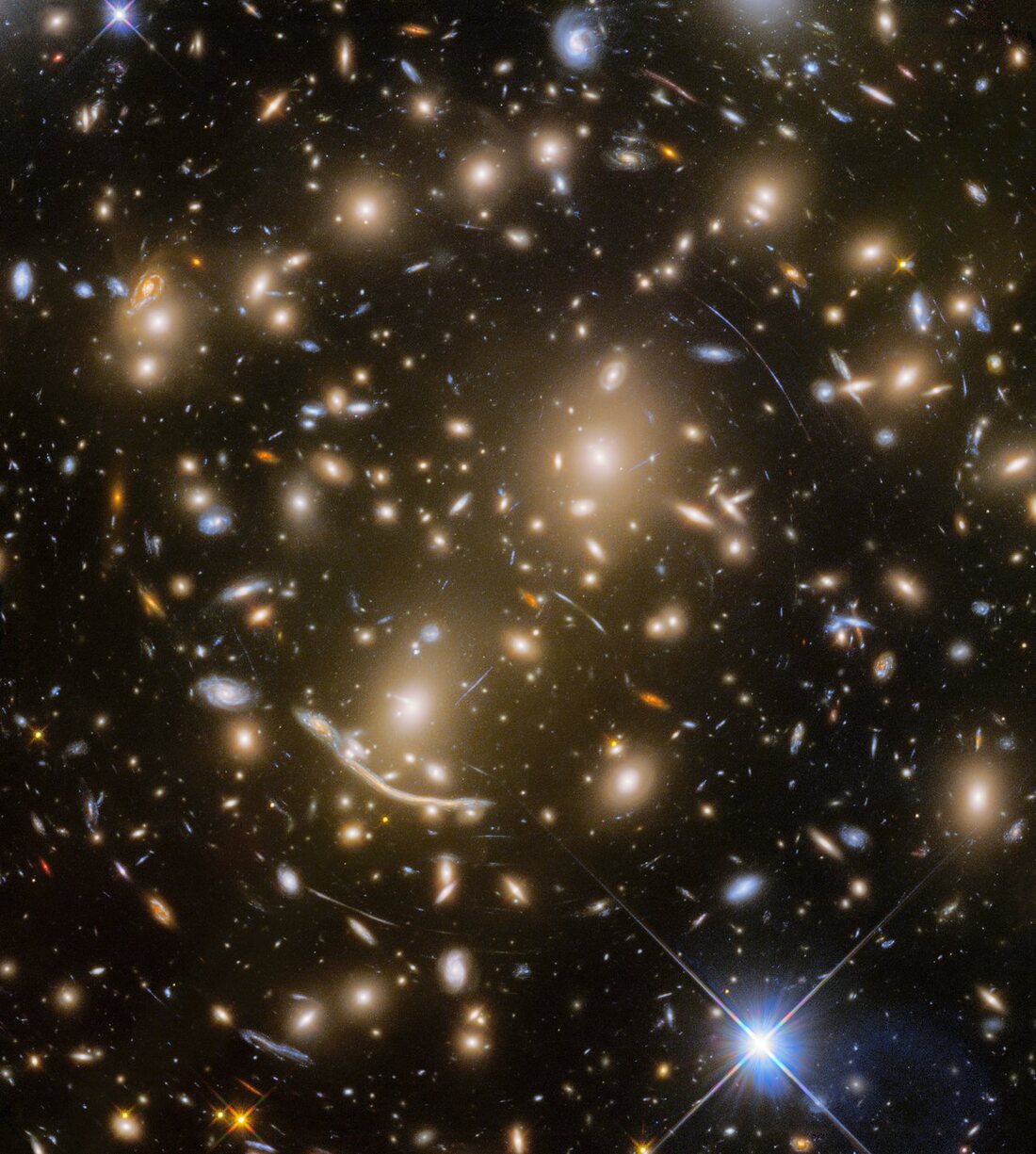 Gravity as a lensA galaxy's gravity bends the light passing it, so it can stretch, copy and brighten whatever lies behind. Astronomers use it as a telescope.First look · How it works