
Learn / Outward from here
Galaxies
On the scale of light: from 160,000 light years. 7 lessons, in the order to read them.
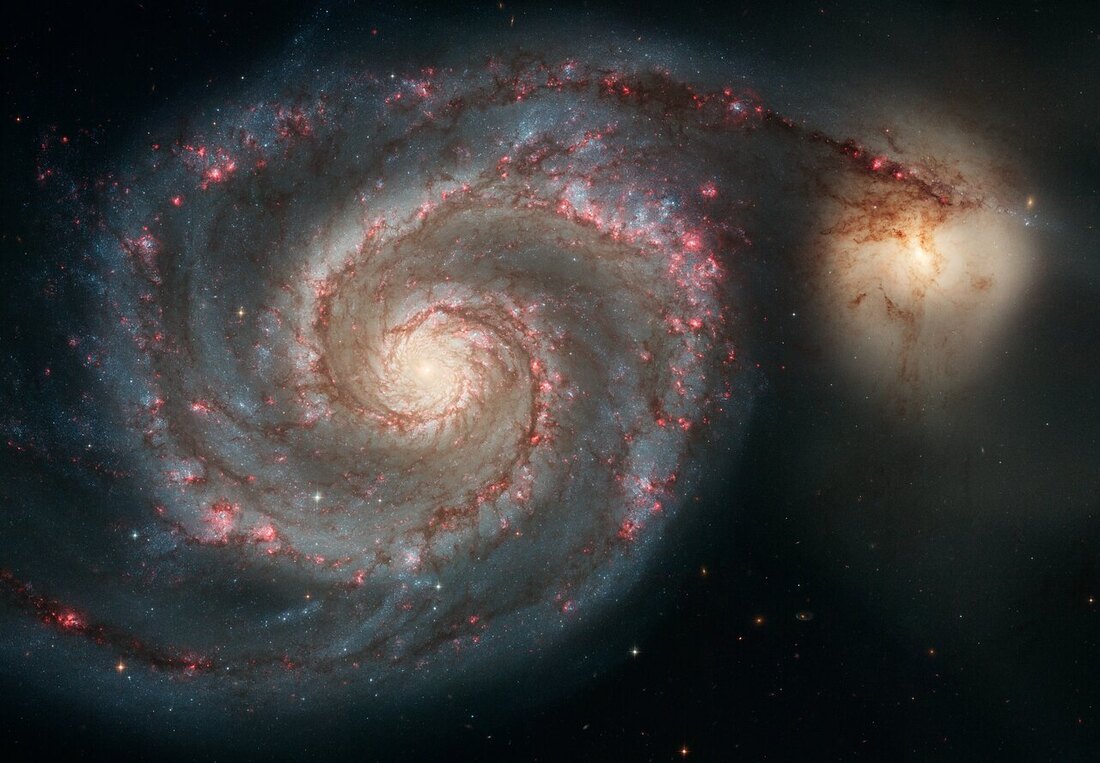 Start hereKinds of galaxyGalaxies come as spirals, smooth ellipticals and ragged irregulars. They gather into groups and clusters, strung across space like a web.First look · How it works
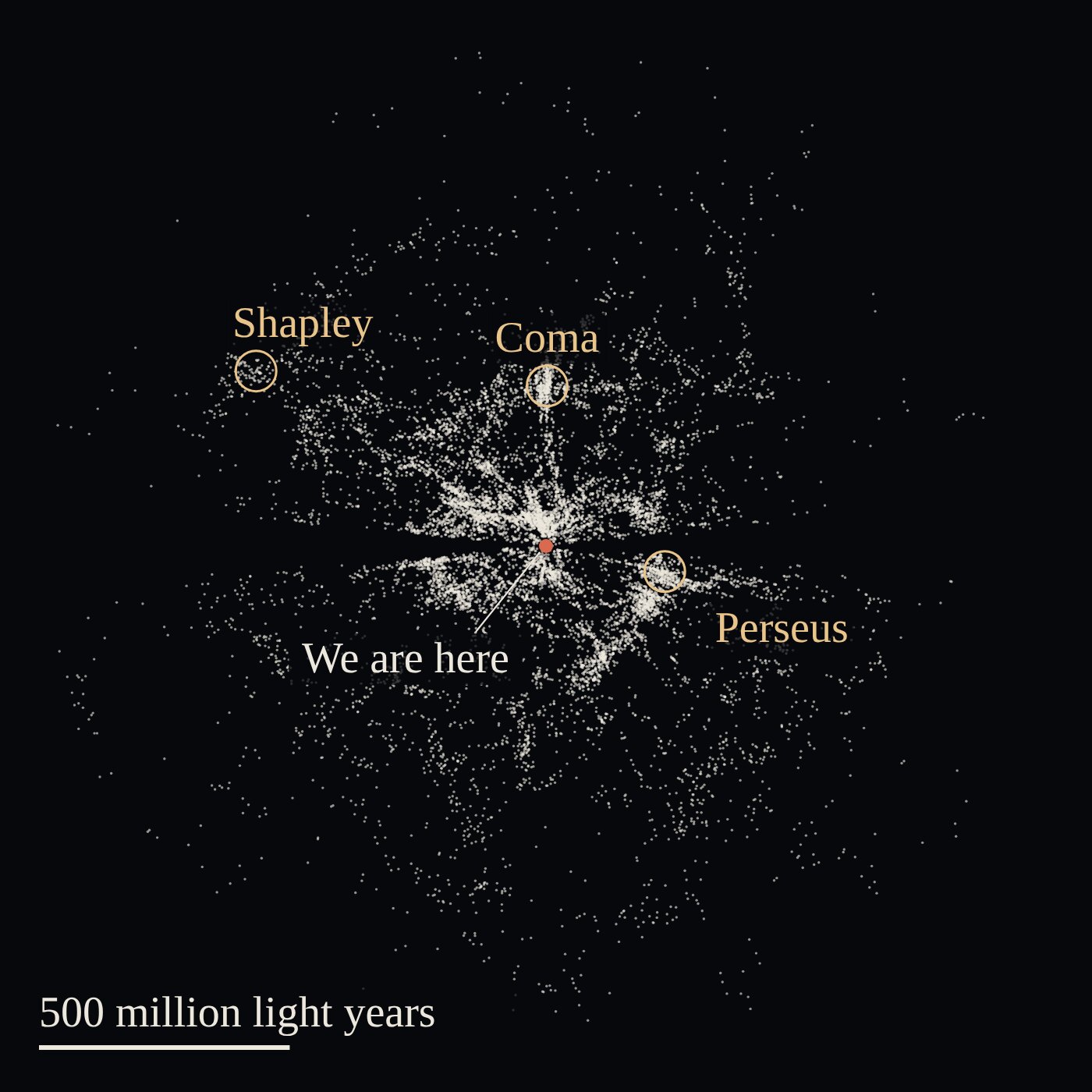 The cosmic webGalaxies are not scattered evenly. They gather into groups, clusters and long threads, with huge empty spaces between, like the walls of a foam.First look · How it works
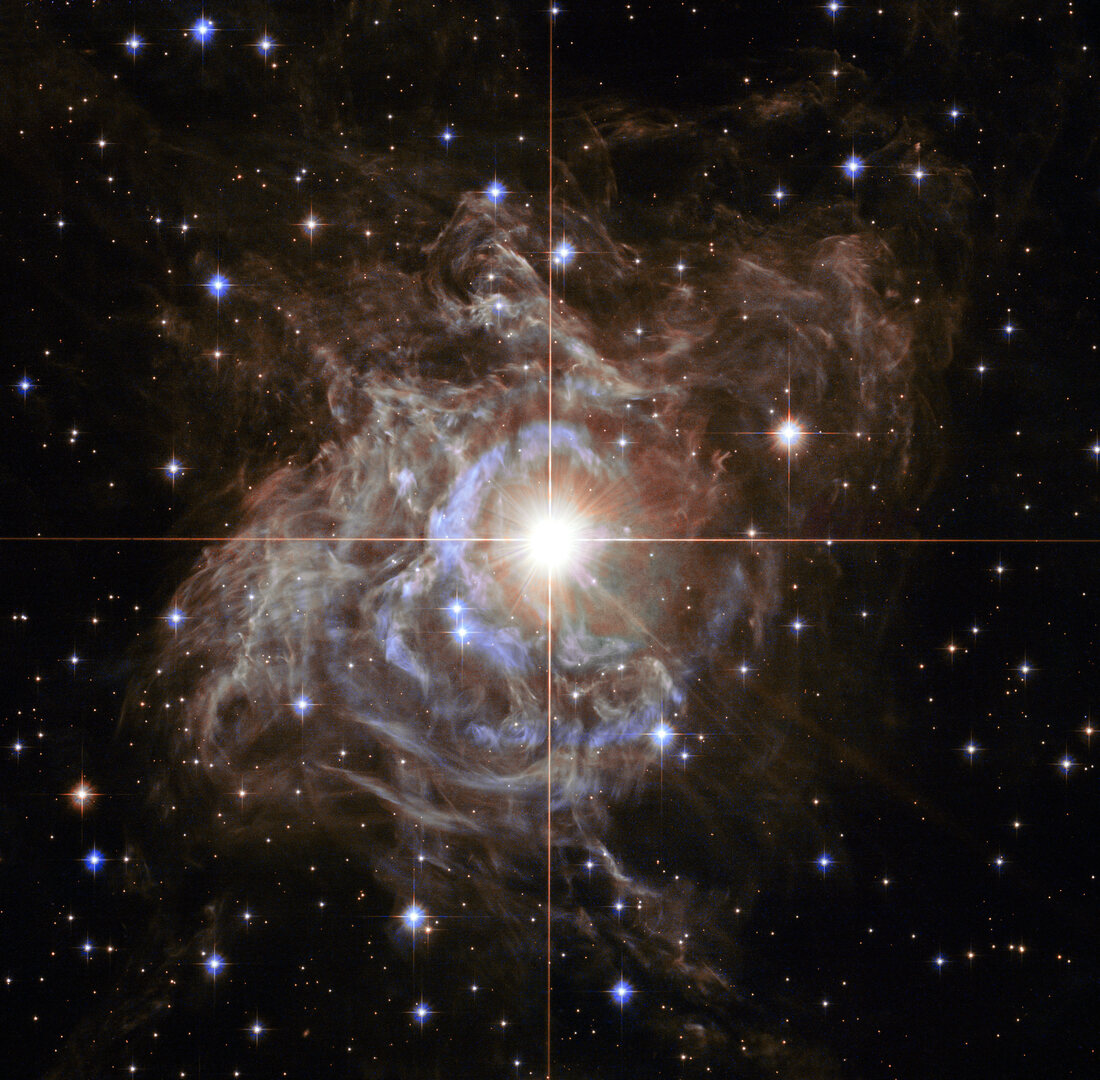 Variable stars and the distance ladderSome stars brighten and fade on a steady beat, and the beat gives away how bright they truly are. That is how the distances to other galaxies were first measured.First look · How it works
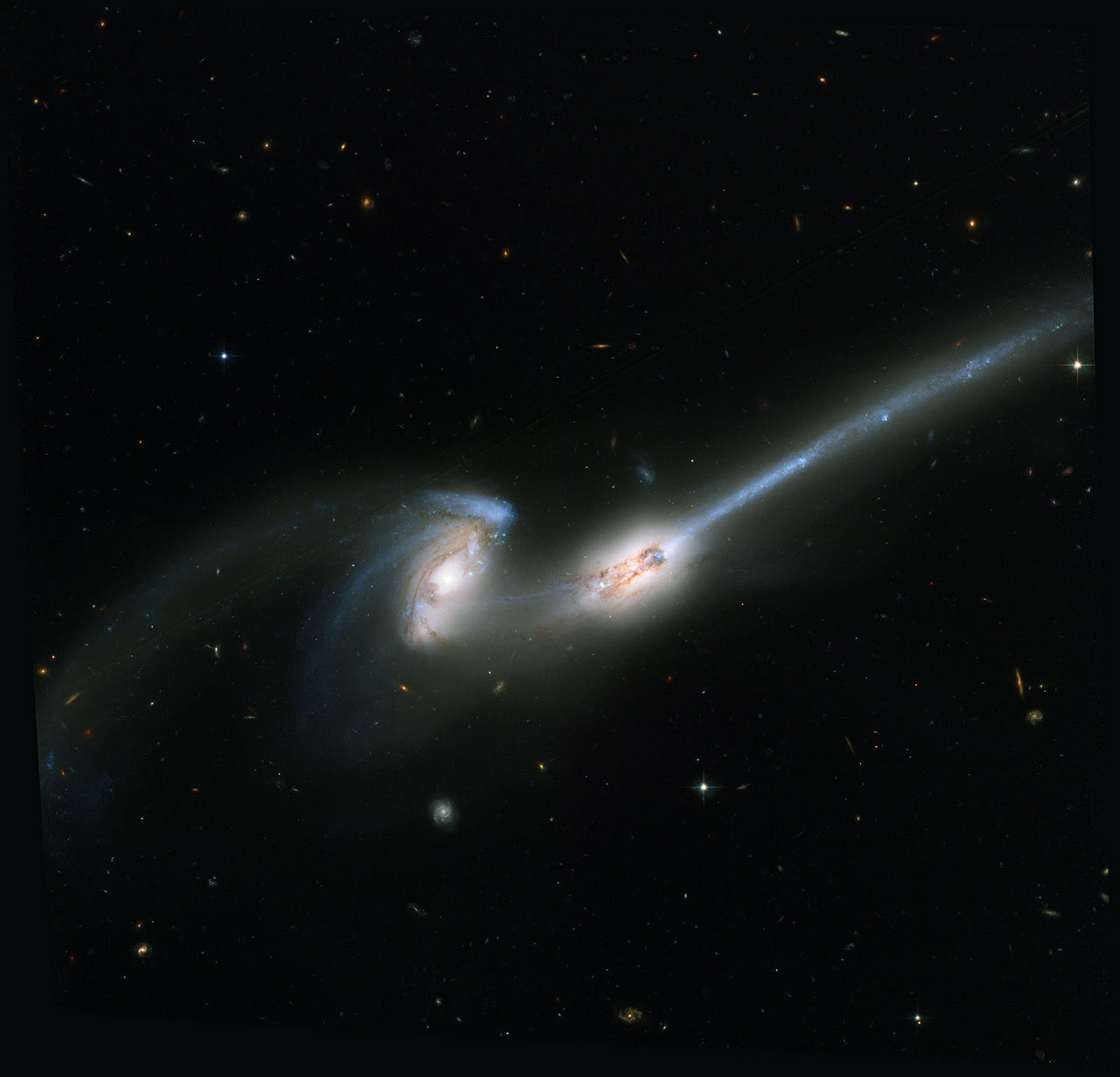 When galaxies collideGalaxies grow by pulling in their neighbours. A collision takes hundreds of millions of years, hardly any stars touch, and both galaxies come out a different shape.First look · How it works
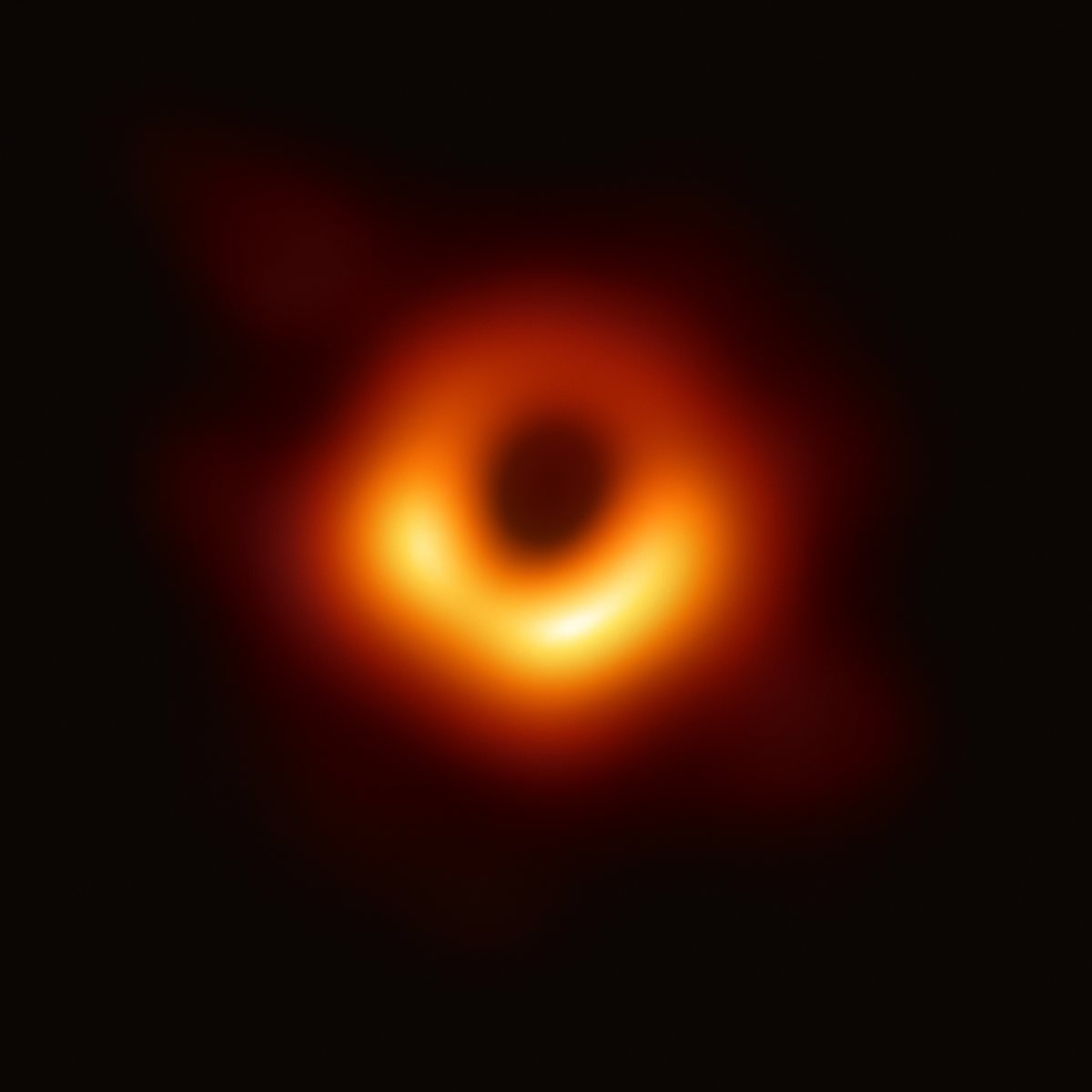 Active galaxies and quasarsIn about one galaxy in ten, the centre outshines all the stars put together. The light comes from gas heating up as it falls towards a giant black hole.First look · How it works
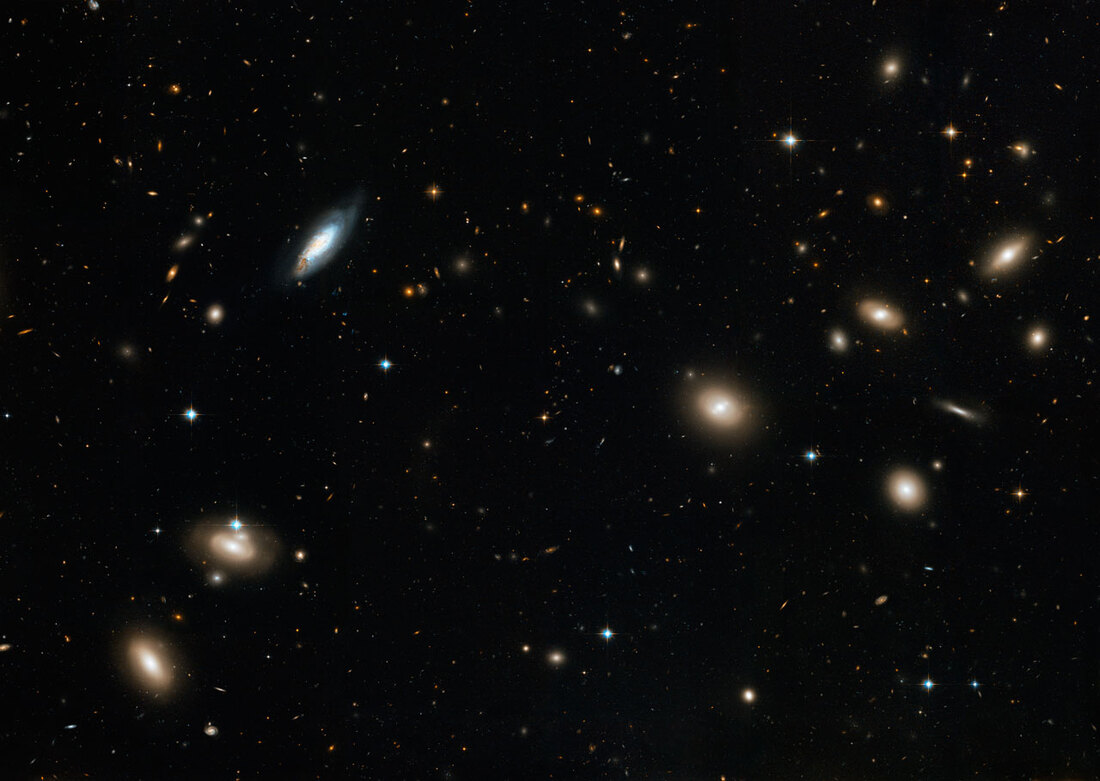 Galaxy clustersA cluster is hundreds or thousands of galaxies held together by gravity. Most of what is in one is not galaxies at all: it is hot gas and dark matter.First look · How it works
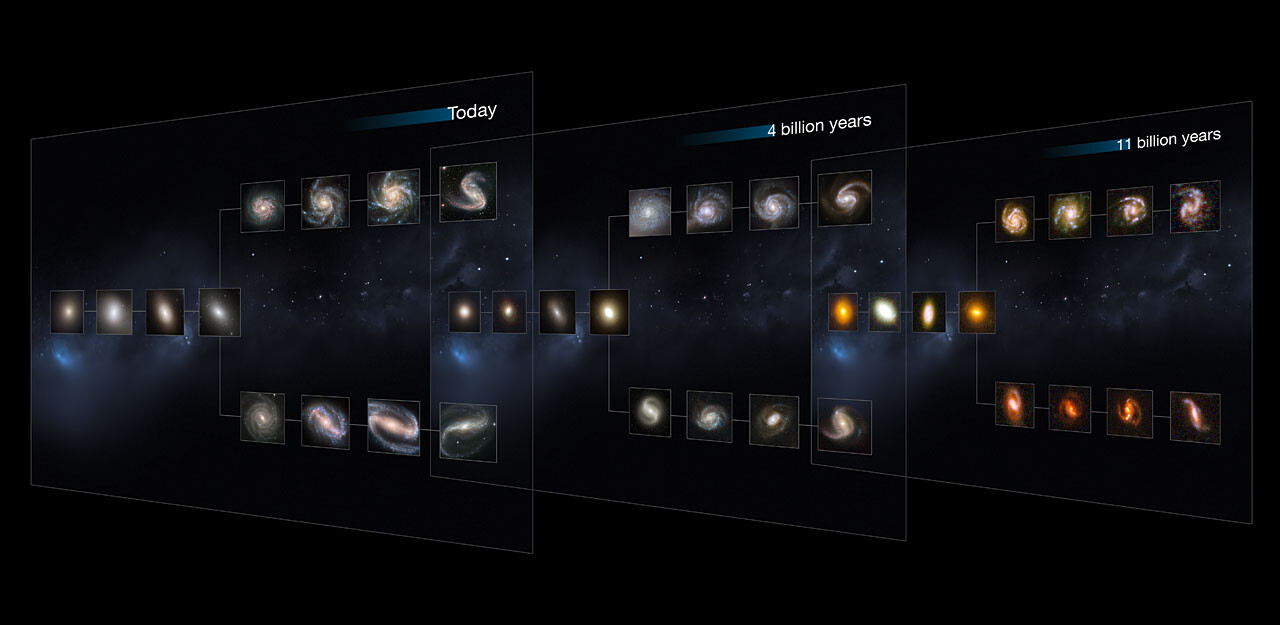 How galaxies form and changeGalaxies were not always as they are now. They began small and ragged, grew by pulling in gas and swallowing each other, and made most of their stars long ago.First look · How it works
Outline Still to be written here
- The Andromeda GalaxyOur nearest big neighbour, and the furthest thing most people can see by eye.