
Learn / Outward from here
Stars
On the scale of light: from 4.2 light years. 14 lessons, in the order to read them.
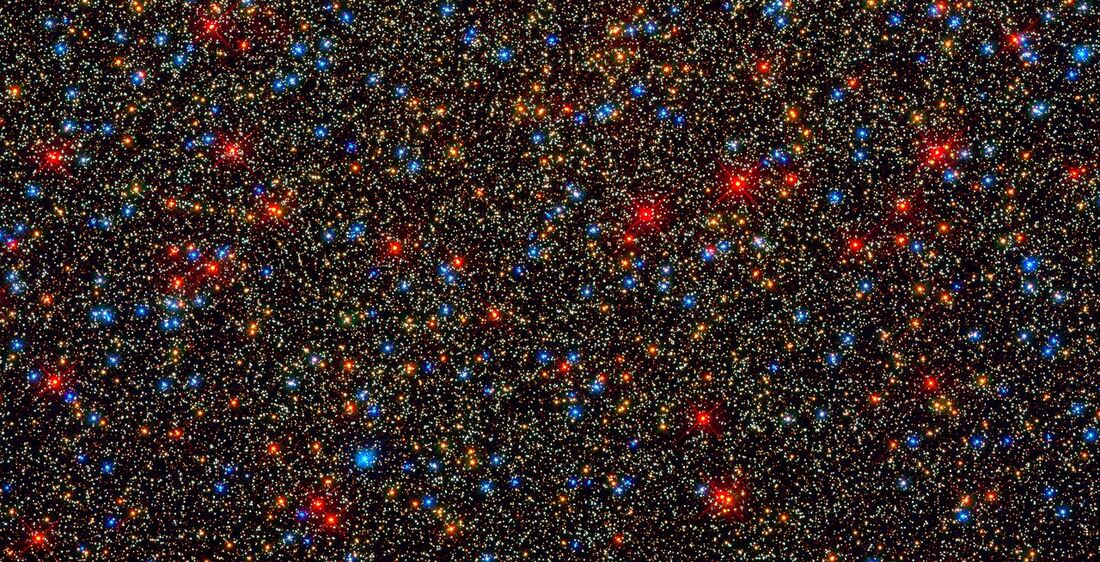 Start hereWhat a star isA star is a ball of gas heavy enough to light its own fire. How heavy it is decides almost everything else about it.First look · How it works
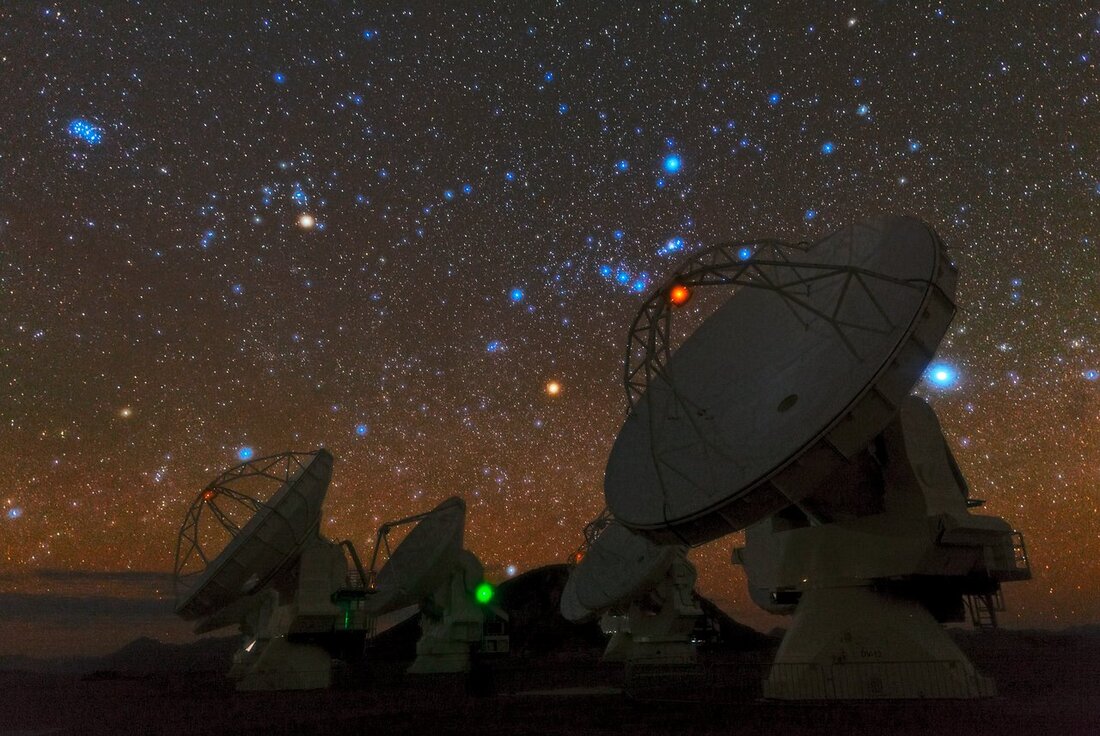 Colour and brightnessA star's colour tells you how hot it is, and its true brightness tells you how big. Plot one against the other and the stars fall into order.First look · How it works
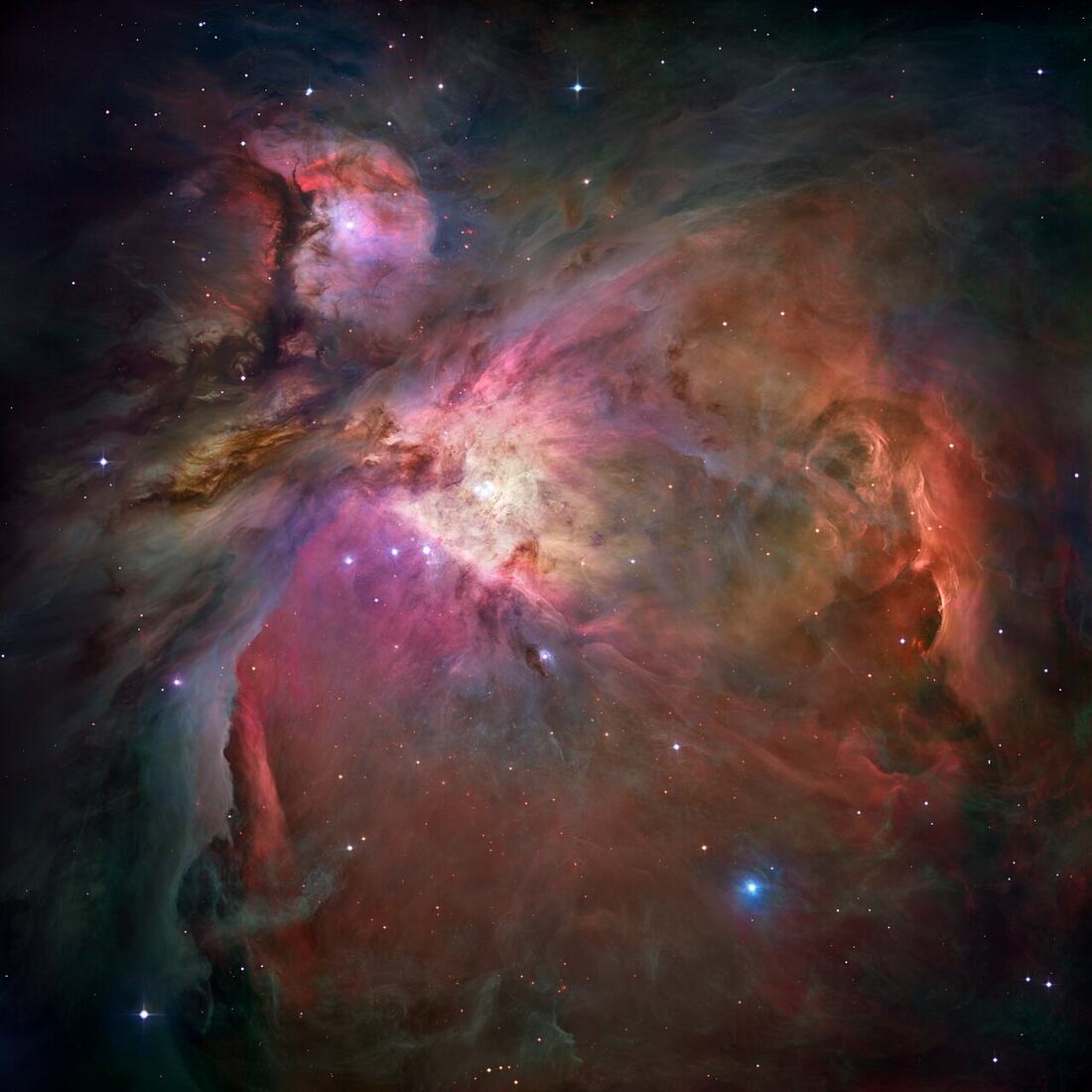 How stars live and dieStars form in clouds of gas, shine steadily for most of their lives, and end as white dwarfs or in explosions, depending on their mass.First look · How it works
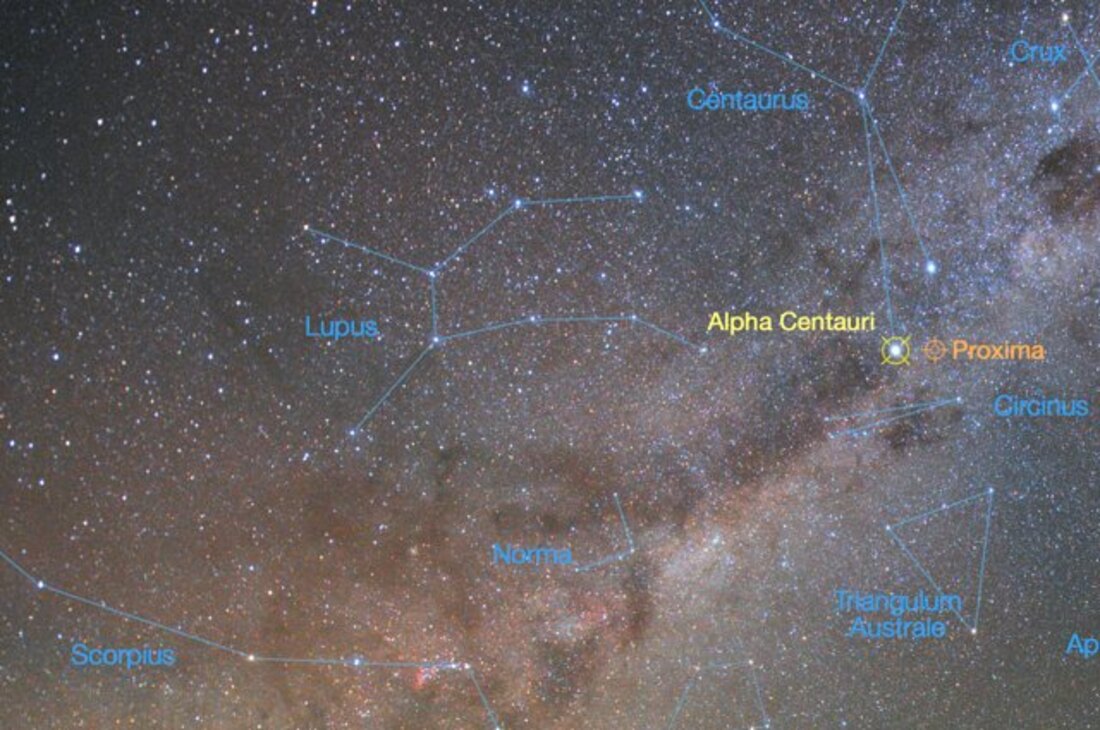 The nearest starsThe stars next door are light years away, and most are small red ones too faint to see. The bright stars of the night sky are the unusual ones.First look · How it works
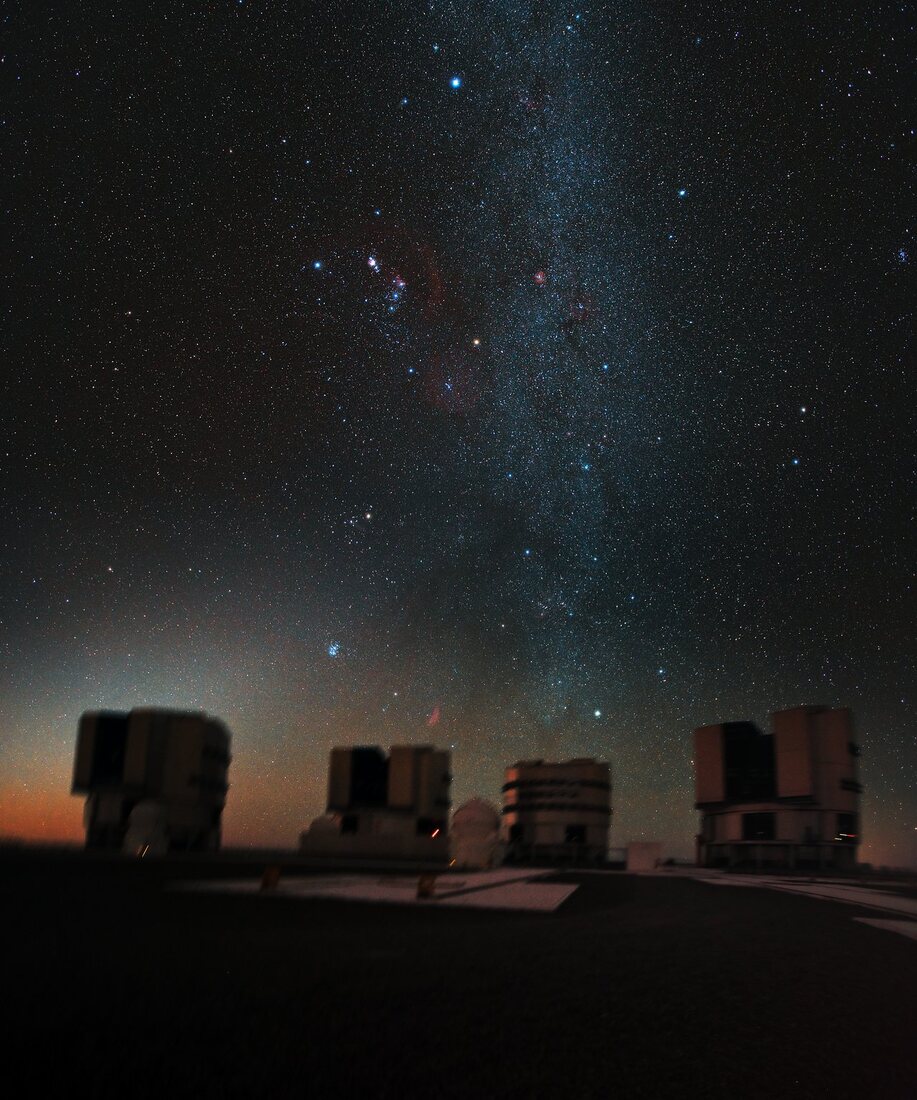 The stars you can seeA few thousand stars are bright enough to see by eye. All belong to our galaxy, most lie within 1,000 light years, and the patterns they make are only patterns.First look · How it works
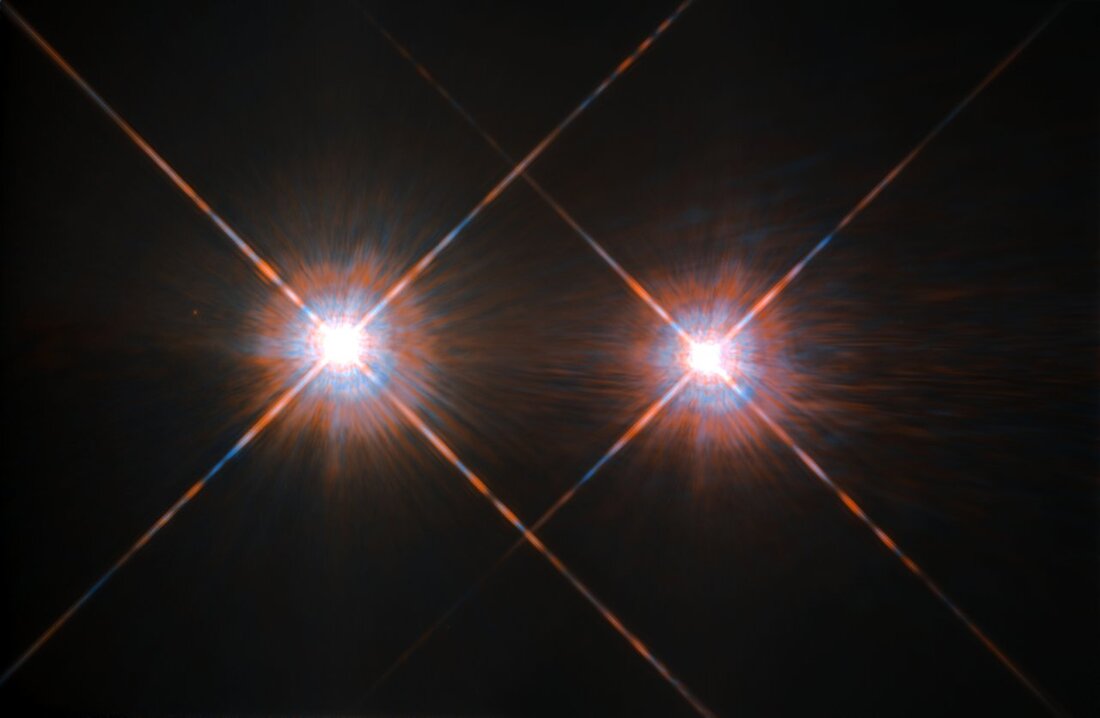 Double and multiple starsMany stars come in pairs, threes or more, circling one another. Their orbits are the only direct way to weigh a star.First look · How it works
- Nebulae and star birthA nebula is a cloud of gas and dust between the stars. Some are where stars are being born, and others are what dying stars leave behind.First look · How it works
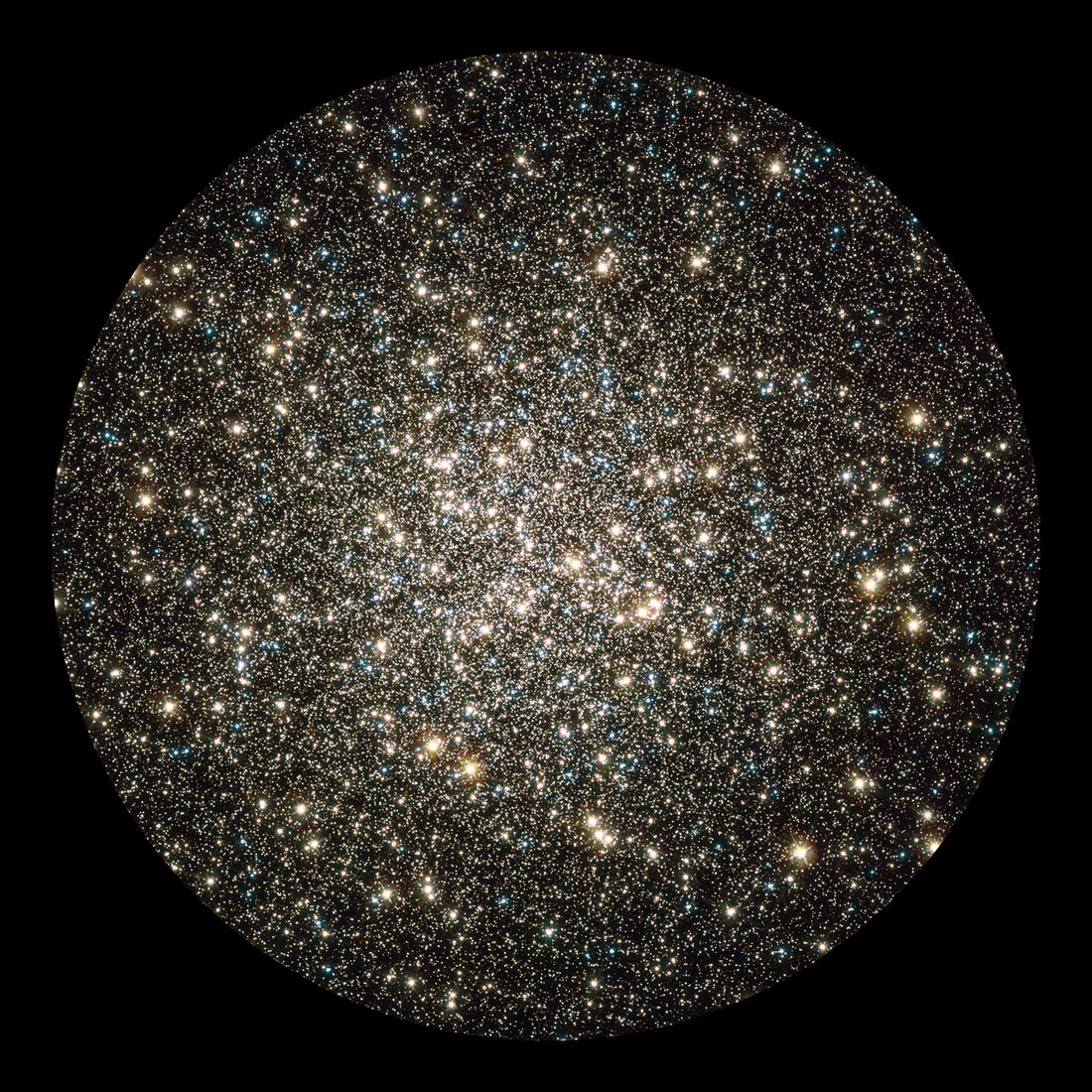 Star clustersStars are born in groups. Some groups drift apart within the galaxy's disc, and some are tight balls of very old stars that have held together for most of the age of the universe.First look · How it works
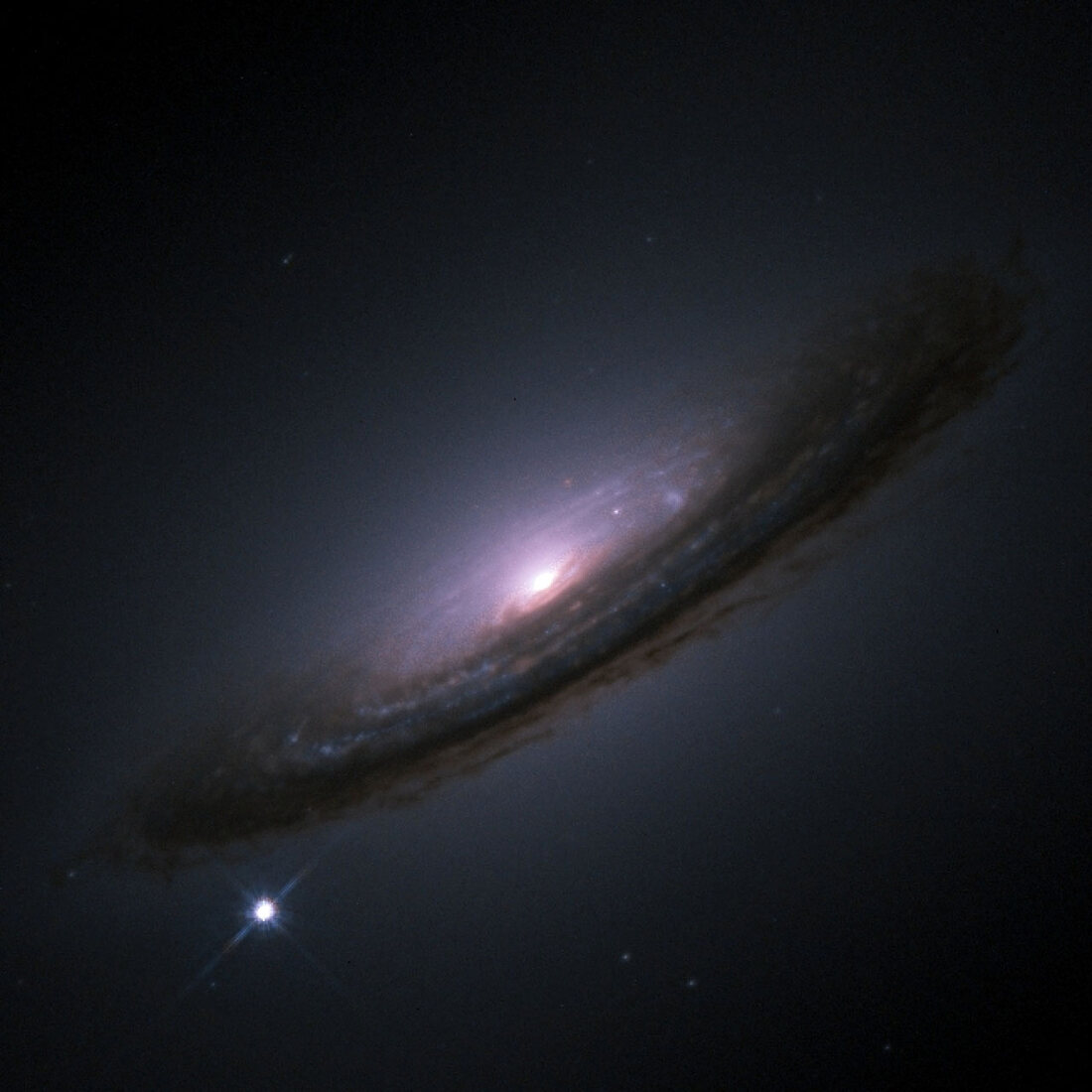 SupernovaeA supernova is a star blowing up. There are two ways it can happen, and for a few weeks one can outshine a whole galaxy.First look · How it works
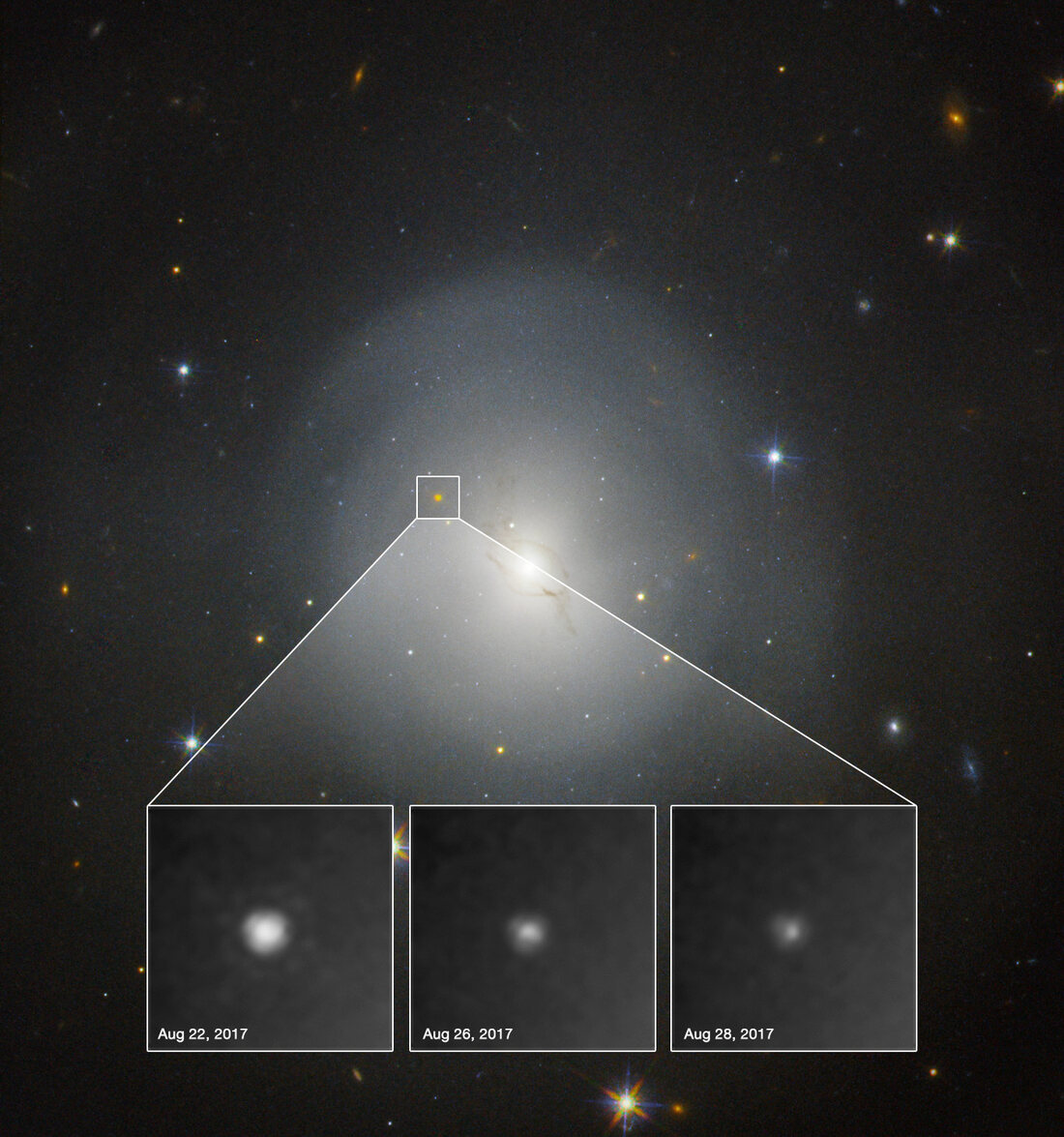 Where the elements come fromThe first minutes of the universe made hydrogen and helium. Almost every other kind of atom, in the Earth and in you, was made by a star.First look · How it works
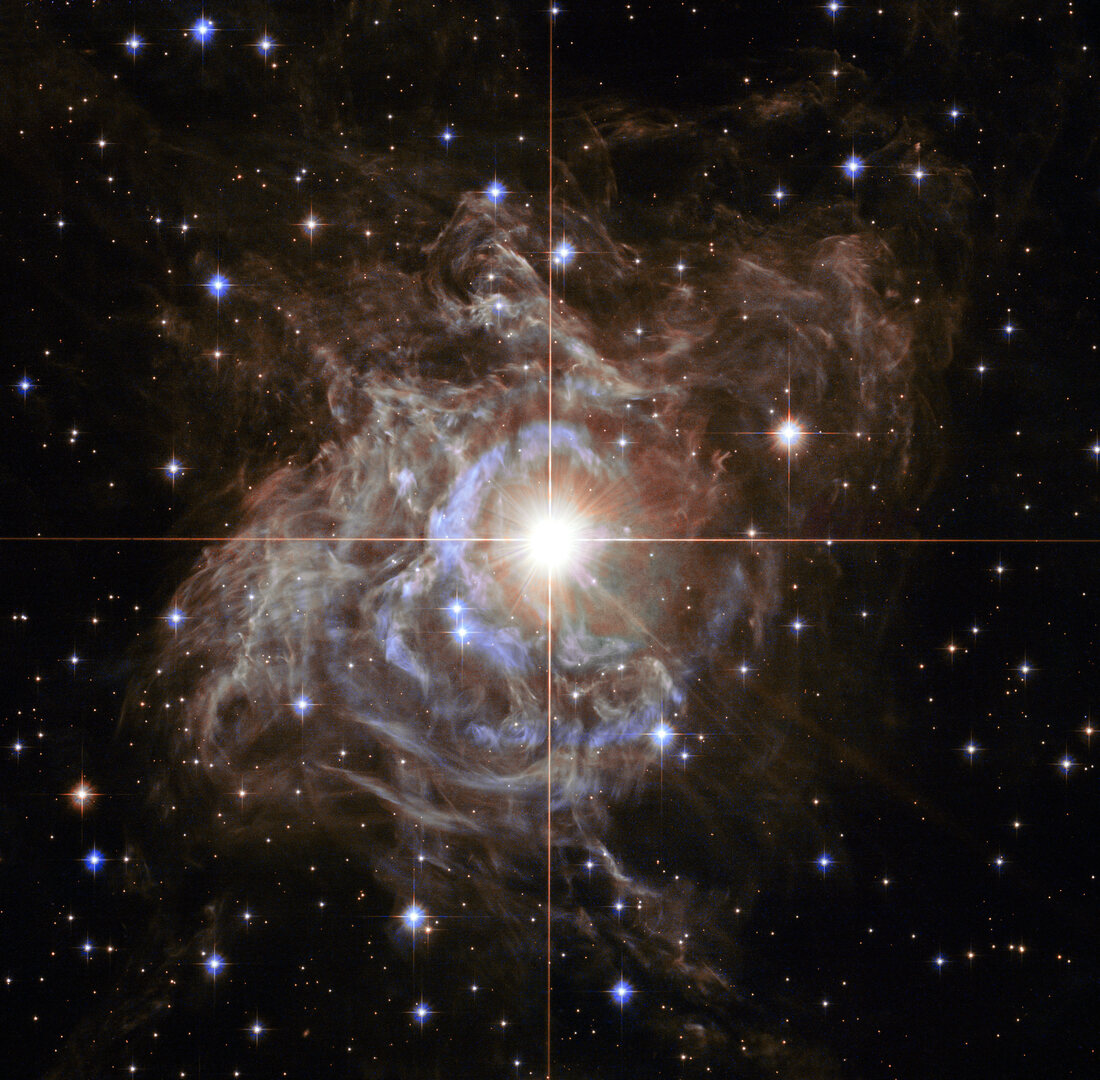 Stars that changeSome stars swell and shrink, some are hidden by a partner every few days, and in 2019 one of the brightest in the sky faded for months.First look · How it works
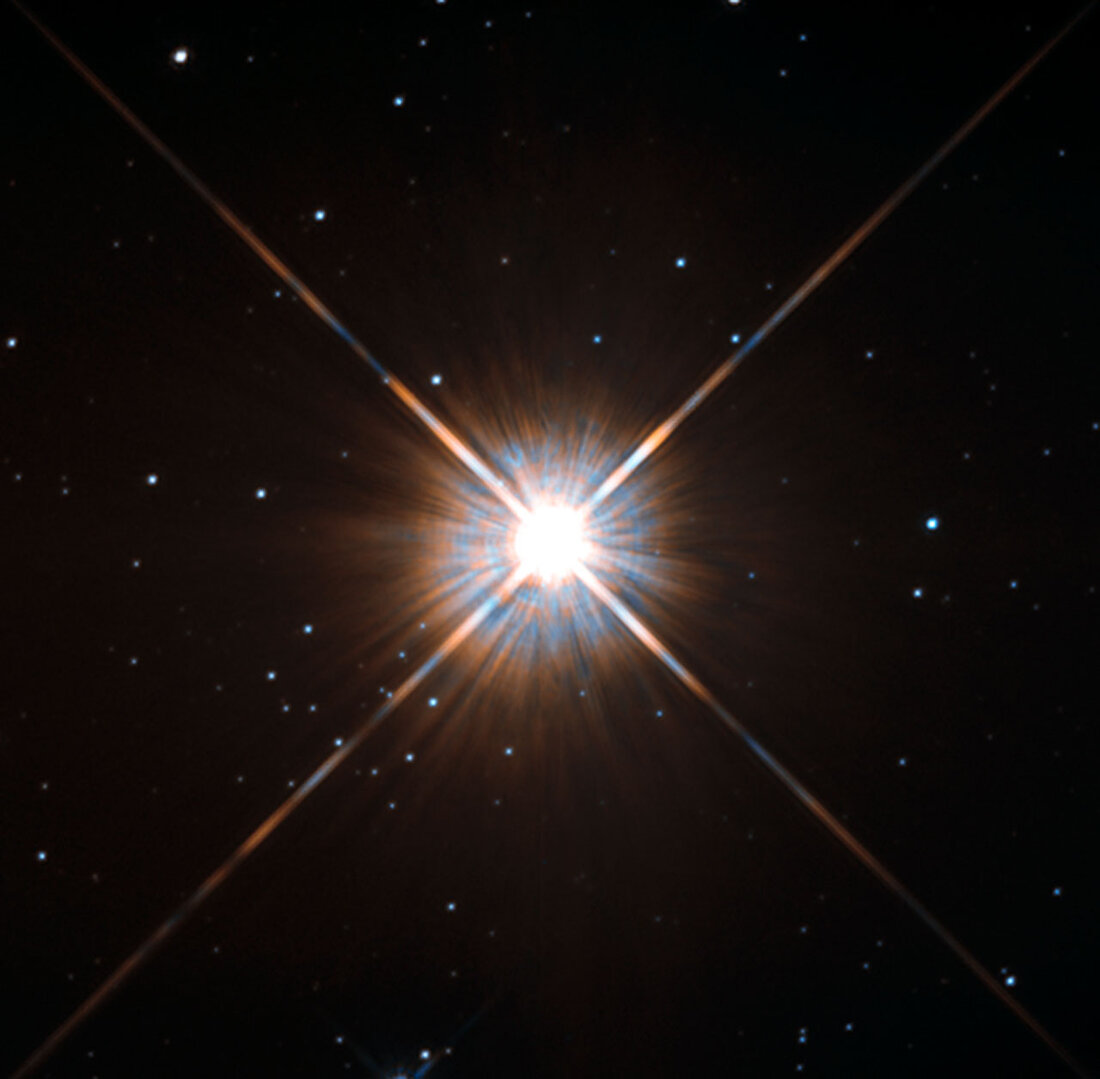 Red dwarfs, the commonest starsMost stars are small, cool and red, and too faint to see without a telescope. They will still be shining when every star you can see tonight has gone out.First look · How it works
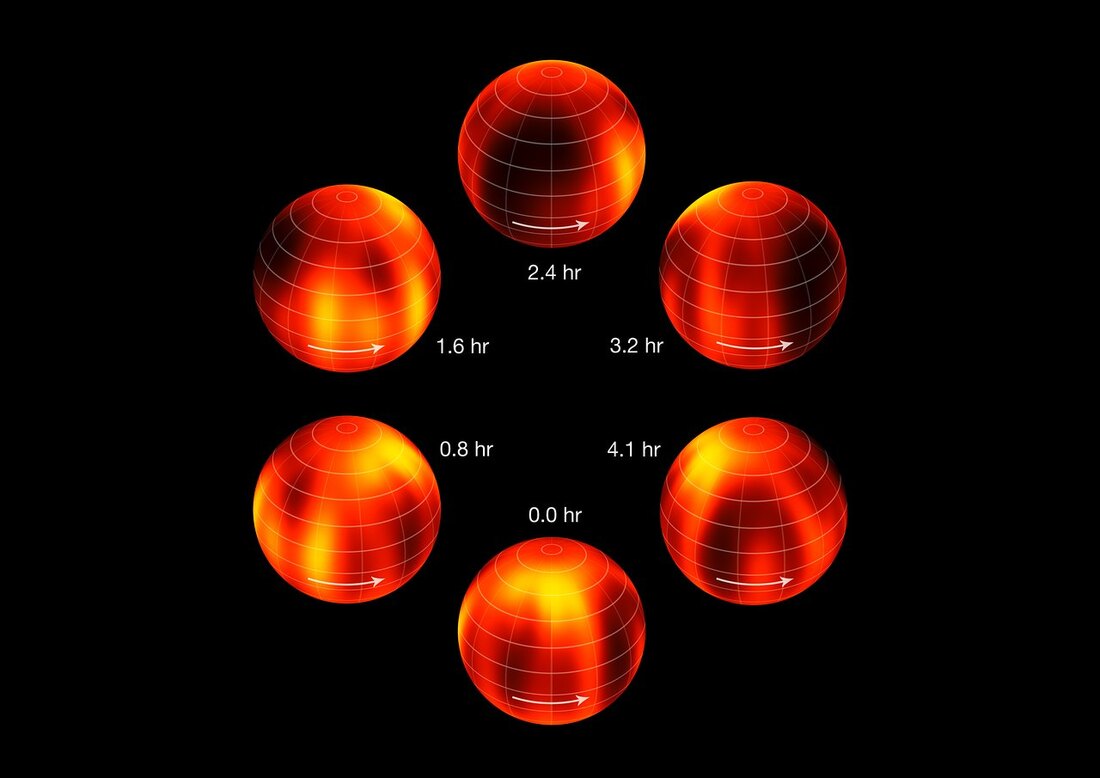 Brown dwarfsToo heavy to be planets and too light to shine as stars, brown dwarfs glow faintly with leftover heat and slowly go dark. Our galaxy may hold tens of billions.First look · How it works
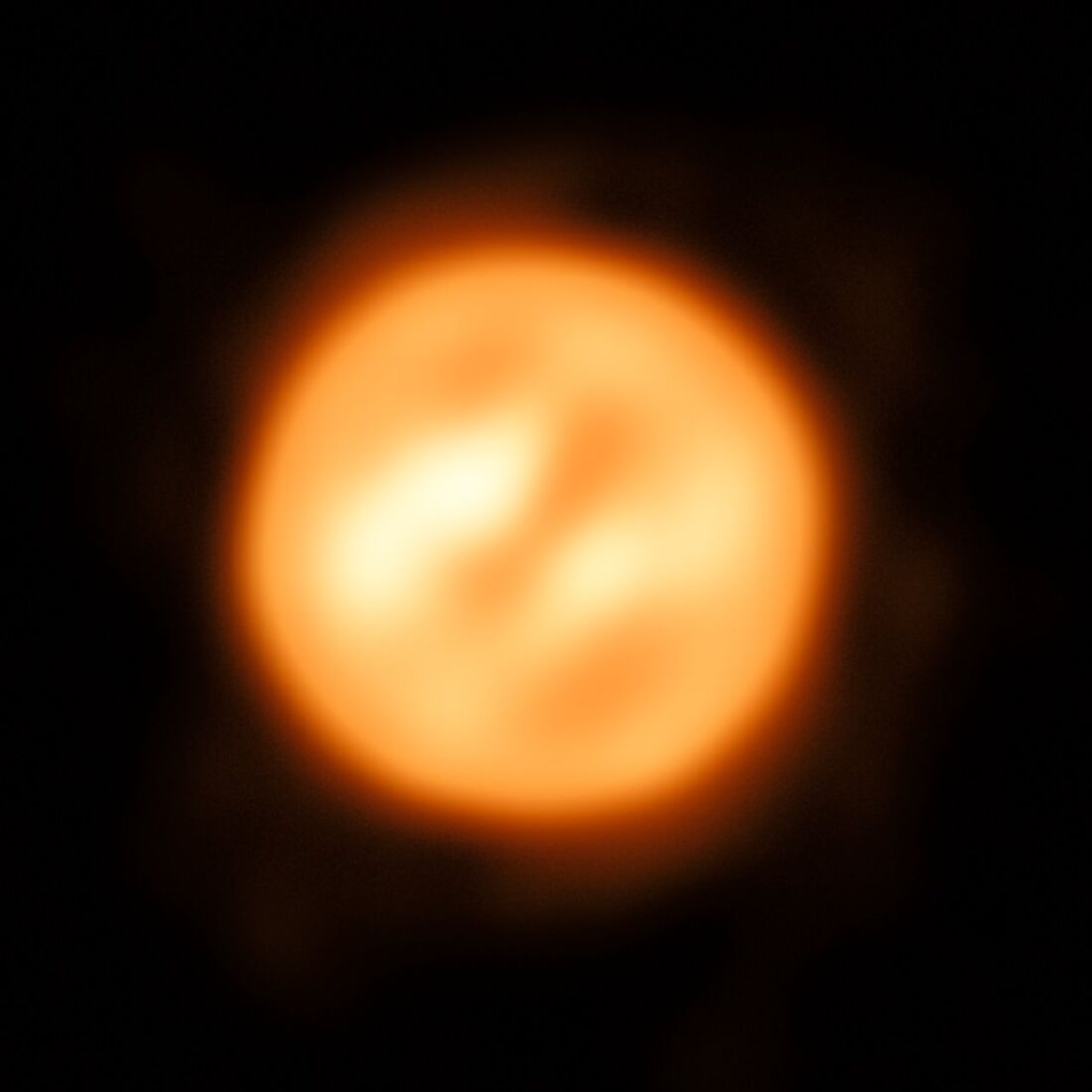 Giants and supergiantsA star near the end of its life swells to a size that is hard to believe. The biggest would swallow the inner planets whole, yet are thinner than the air you breathe.First look · How it works
Outline Still to be written here
- Star names and cataloguesWhere the old names came from, and how stars are numbered now.