
Learn / Outward from here
White dwarfs, neutron stars and black holes
On the scale of light: from 8.6 light years. 7 lessons, in the order to read them.
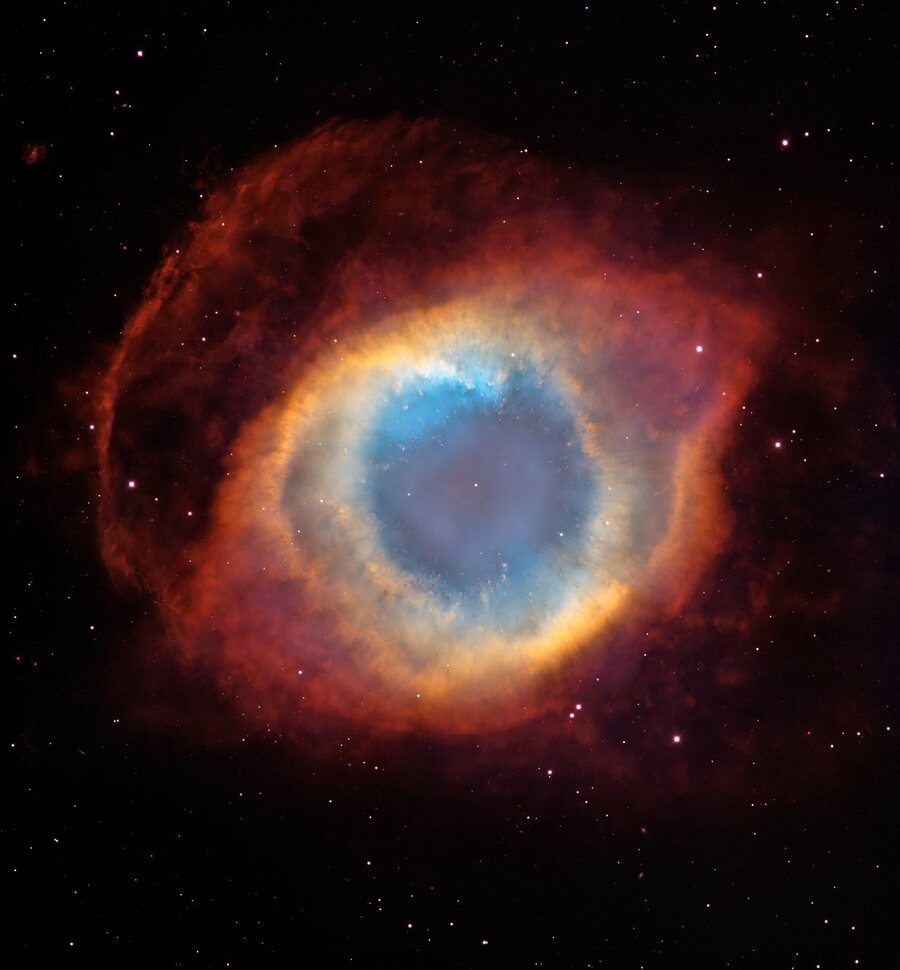 Start hereWhite dwarfsA white dwarf is the core a star like the Sun leaves behind: the mass of a star in a ball the size of the Earth, with no fuel left, slowly cooling.First look · How it works
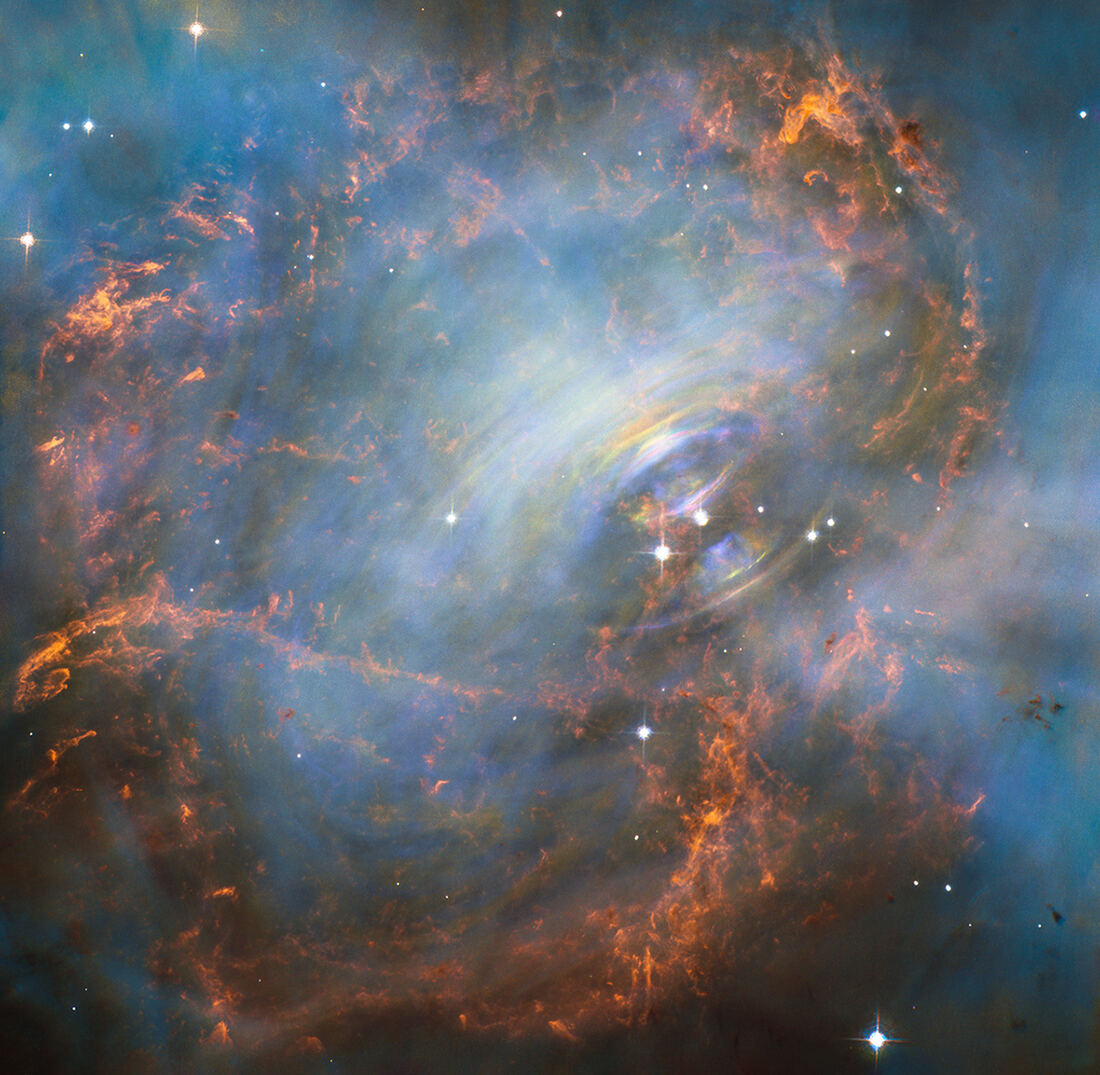 Neutron stars and pulsarsWhen a massive star dies, its core can be crushed into a ball the size of a city with more mass than the Sun. Some sweep beams past us like lighthouses.First look · How it works
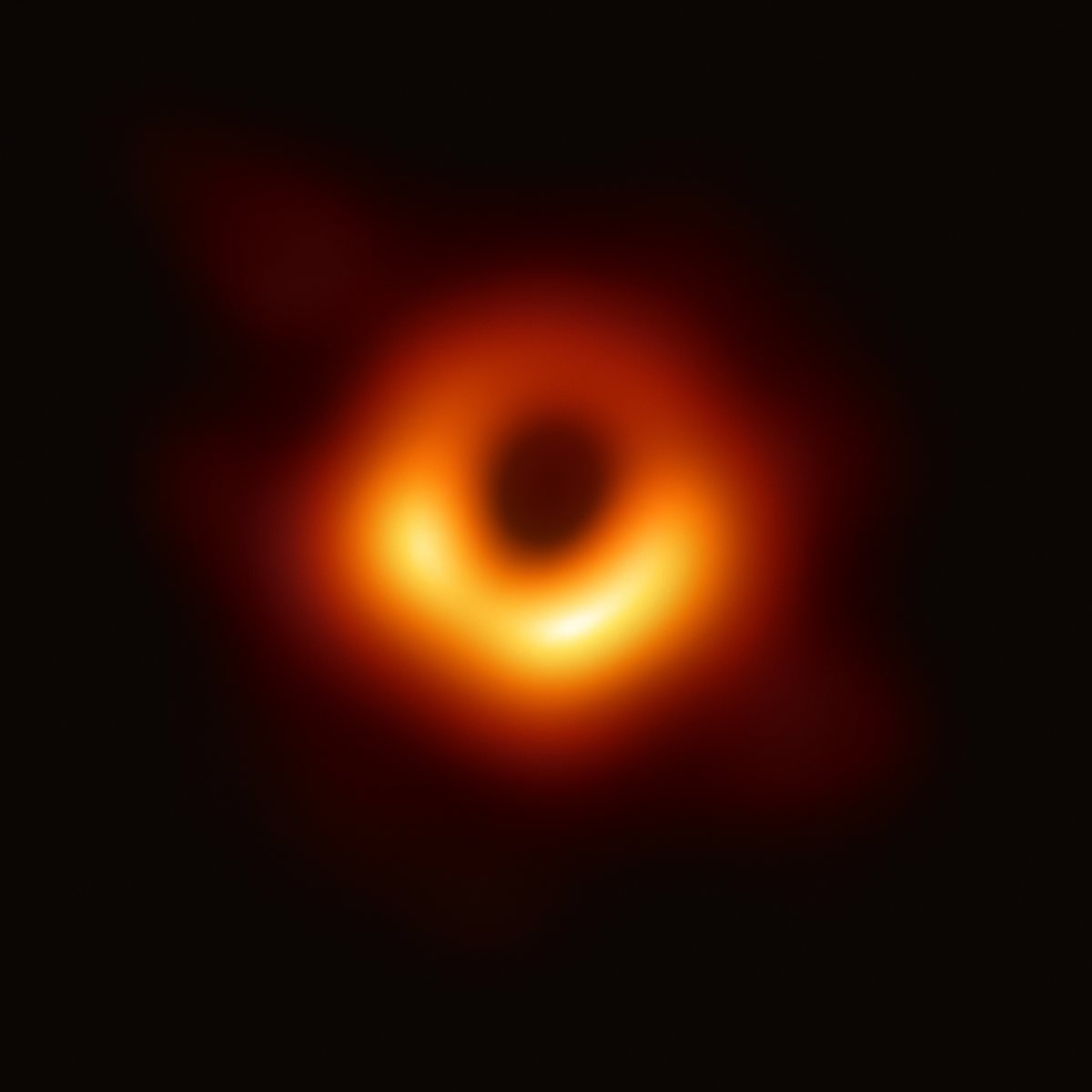 What a black hole isA black hole is what is left when gravity wins completely. We cannot see one, but we can see what it does to everything near it.First look · How it works · The physics
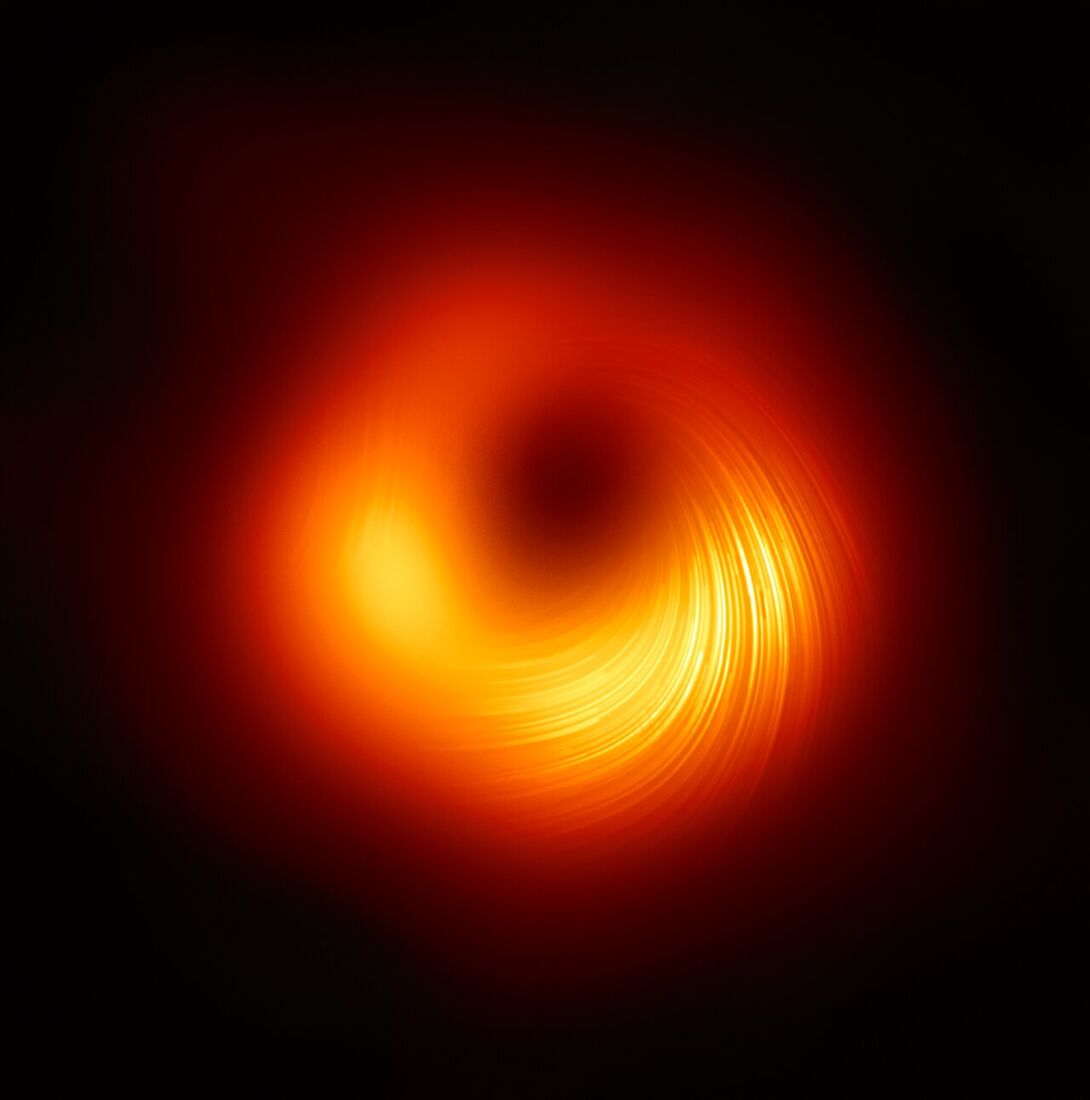 The event horizonThe edge of a black hole is not a surface but a point of no return. What happens there depends on who is watching.First look · How it works
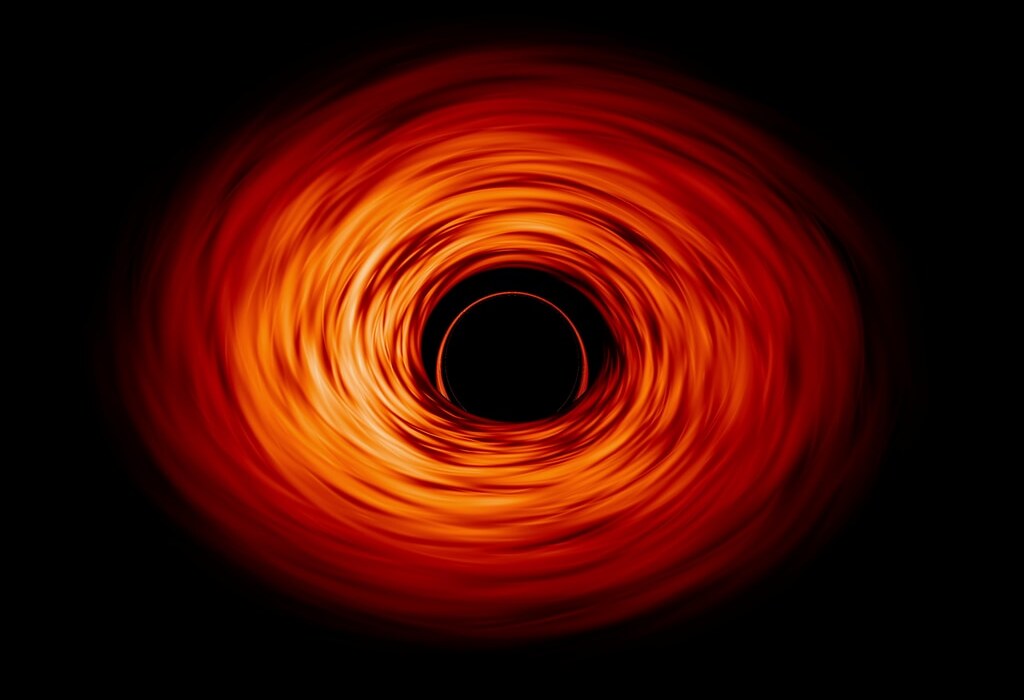 Falling into a black holeNobody can go and look, but Einstein's equations say what a fall into a black hole would be like. In 2024 NASA ran them on a supercomputer.First look · How it works
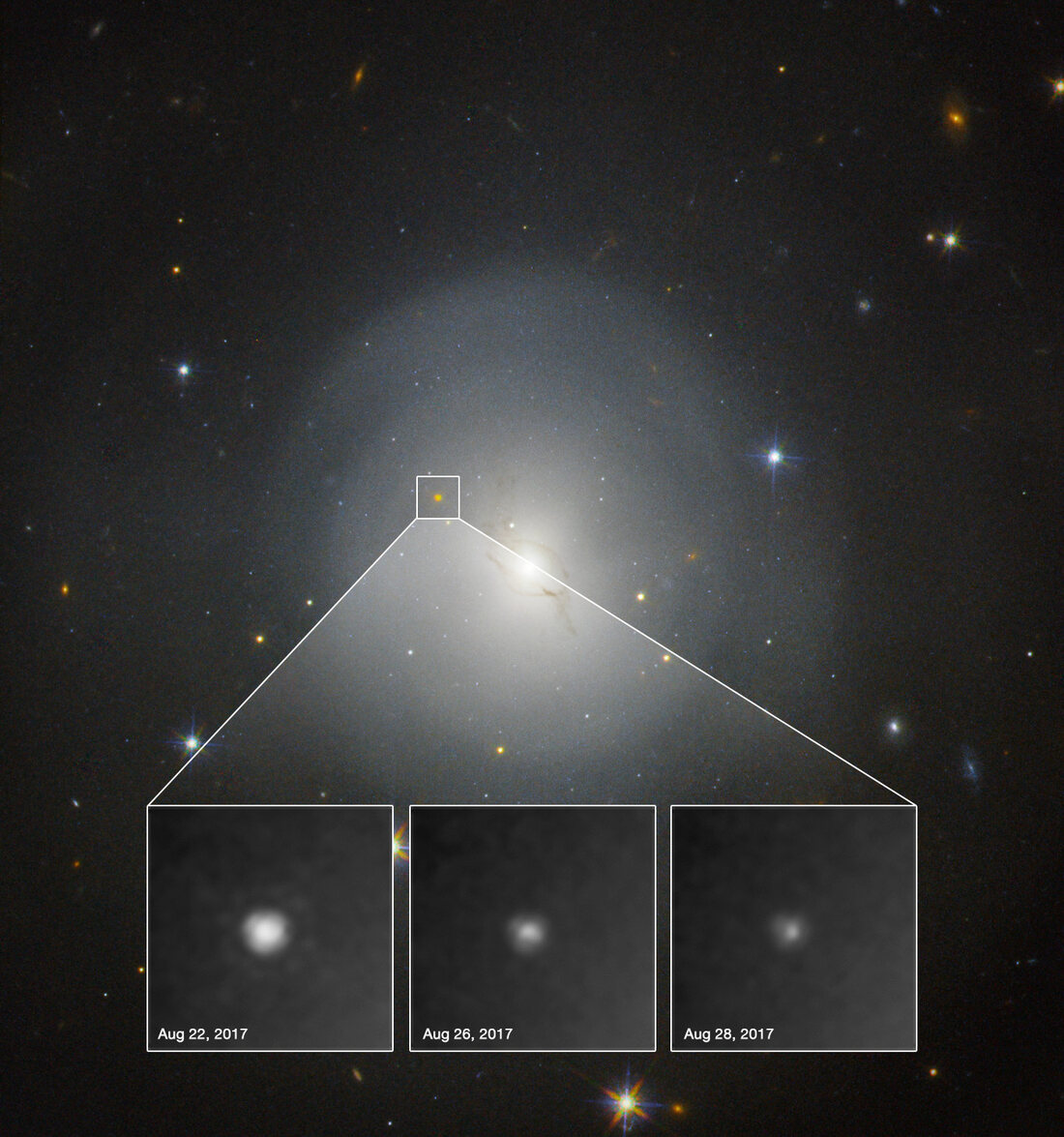 Magnetars and gamma-ray burstsThe strongest magnets and the brightest explosions there are both come from dying stars. One burst can give out more energy in seconds than the Sun will in its whole life.First look · How it works
 Do black holes last for ever?Nothing gets out of a black hole, and yet theory says each one glows very faintly and will slowly shrink away to nothing. Nobody has seen it happen.First look · How it works
Outline Still to be written here
- Black holes we have picturedThe two images of black holes’ shadows, and how they were made.